

Is Islamic banking really interest-free?
If Islamic banks earn profit, isn’t that just another name for interest?
Why can an Islamic financing product sometimes look similar to a conventional one?
These are fair questions and they deserve clear answers.
Islamic banking can sometimes appear similar to conventional banking from the outside. Both may offer bank accounts, financing, cards, digital payments and other financial services. The important difference is not simply what the product is called, but how the underlying transaction is structured, what the bank is permitted to do and how Shariah compliance is governed and monitored.
The State Bank of Pakistan (SBP) explains that Islamic banking operates in accordance with Shariah principles, which prohibit Riba (interest) and instead uses Shariah-compliant modes of trade, investment, leasing, partnership and other permissible financial activities. SBP also explicitly addresses the concern that Islamic banks simply rename interest as profit, explaining that the underlying contracts and transactions are different.
Let’s look at some of the most common myths.
Myth 1: “Islamic banks are just charging interest and calling it profit.”
This is probably the most common criticism of Islamic banking.
The important distinction is between interest on a loan and profit arising from a permissible Shariah-compliant transaction.
According to SBP, Islamic banks cannot simply lend money and earn an additional amount on that loan as interest. Instead, they use Shariah-compliant modes of finance involving activities such as trade, leasing, partnership, investment or services.
For example, a Murabaha transaction is structured around the purchase and sale of an asset rather than an interest-bearing loan. Similarly, Ijarah is based on leasing, while Mudarabah and Musharakah involve partnership and profit & loss-sharing structures.
So, the question is not simply “Does the customer pay more than the amount received?”
The more relevant question is:
“What contract creates the return, and is that contract Shariah-compliant?”
That distinction is fundamental to understanding Islamic banking.
Myth 2: “If the Islamic bank’s return is fixed, it must be interest.”
Not necessarily.
Islamic finance includes different types of transactions. Some are based on profit and loss sharing, while others involve trade, leasing or services where the return can be determined according to the structure of the contract.
SBP explains that Islamic finance includes both profit-and-loss-sharing modes, such as Mudarabah and Musharakah, and modes used for the purchase or hiring of goods and services, including Murabaha, Istisna, Salam and Ijarah.
What matters is that the return must arise from the underlying Shariah-compliant transaction and its agreed terms, not simply from lending money in exchange for an additional amount.
Myth 3: “Islamic banks don’t make any profit.”
They do.
An Islamic bank is still a financial institution and must generate income to operate, pay its expenses, invest in its infrastructure and provide returns to eligible customers.
The difference lies in how that income is generated.
SBP explains that Islamic banks generate profit through Shariah-compliant trade, investment and service-related activities. In deposit arrangements based on Mudarabah, profits generated from the bank’s Shariah compliant investment can be shared with depositors according to the agreed terms.
So Islamic banking is not “profit-free” banking.
It is profit earned through Shariah-compliant means.
Myth 4: “Islamic banks and conventional banks are basically the same.”
From a customer’s perspective, some services can look very similar.
Both types of banks can offer:
- Savings and current accounts
- Debit cards
- Digital banking
- Payments and transfers
- Customer support
The distinction lies in the contracts, transaction structures and activities underlying those services.
SBP explains that conventional banking generally relies on interest-based lending, while Islamic banking uses Shariah-compliant structures connected to trade, assets, services, partnership and risk sharing.
This is why two products that look similar on a banking app may still have fundamentally different underlying structures.
Myth 5: “Islamic banking is just conventional banking with different names.”
Changing terminology alone would not make a transaction Shariah-compliant.
A genuine Islamic banking framework requires the underlying contract and transaction to comply with applicable Shariah requirements.
That is why Shariah governance matters.
An Islamic Banking Institution does not simply decide internally that a product is “Islamic.” The product structure, contracts and processes are subject to Shariah oversight and the regulatory framework applicable to Islamic banking.
SBP’s Shariah Governance Framework establishes responsibilities across multiple functions, including the Board of Directors, management, Shariah Board, Shariah Compliance Department, product development and Shariah audit functions.
In other words:
The label is not the evidence. The structure and governance matter.
Myth 6: “If an Islamic bank uses a conventional benchmark, the transaction automatically becomes interest.”
This question comes up frequently because Islamic banks may use conventional market benchmarks in certain pricing or profit calculations.
SBP addresses this directly.
Its Islamic banking FAQs explain that using a conventional benchmark to determine the price or rate of a permissible Shariah-compliant transaction does not, by itself, turn that transaction into an interest-based transaction. The validity depends on the nature and mechanism of the underlying transaction.
In simple terms, a benchmark and the underlying contract are not necessarily the same thing.
The benchmark may be used as a reference for pricing, while the actual contract must still comply with the applicable Shariah requirements.
Myth 7: “Islamic banking is only for Muslims.”
This is another common misconception.
Islamic banking is not restricted to Muslim customers.
SBP states that Islamic banking is a viable option for everyone irrespective of religion. The principles behind Islamic finance—such as fairness, transparency, ethical conduct and responsible financial activity—can be relevant to customers from different backgrounds.
That means a non-Muslim customer can choose an Islamic bank based on the financial products, structures or values offered by the bank
At Raqami Islamic Digital Bank, eligible customers can open accounts regardless of their religion, subject to applicable eligibility and regulatory requirements.
Myth 8: “There is no real oversight of Islamic banking.”
There is.
Shariah governance is a formal part of the Islamic banking framework in Pakistan.
The SBP Shariah Governance Framework establishes responsibilities and oversight mechanisms involving the institution’s leadership, Shariah Board, Shariah Compliance Department, product development and Shariah audit functions.
This means Shariah compliance is intended to be supported by an ongoing governance process rather than a one-time approval.
How Raqami Islamic Digital Bank Addresses These Questions
As Pakistan’s first fully digital Shariah-compliant retail bank, Raqami Islamic Digital Bank has built Shariah governance into its banking model.
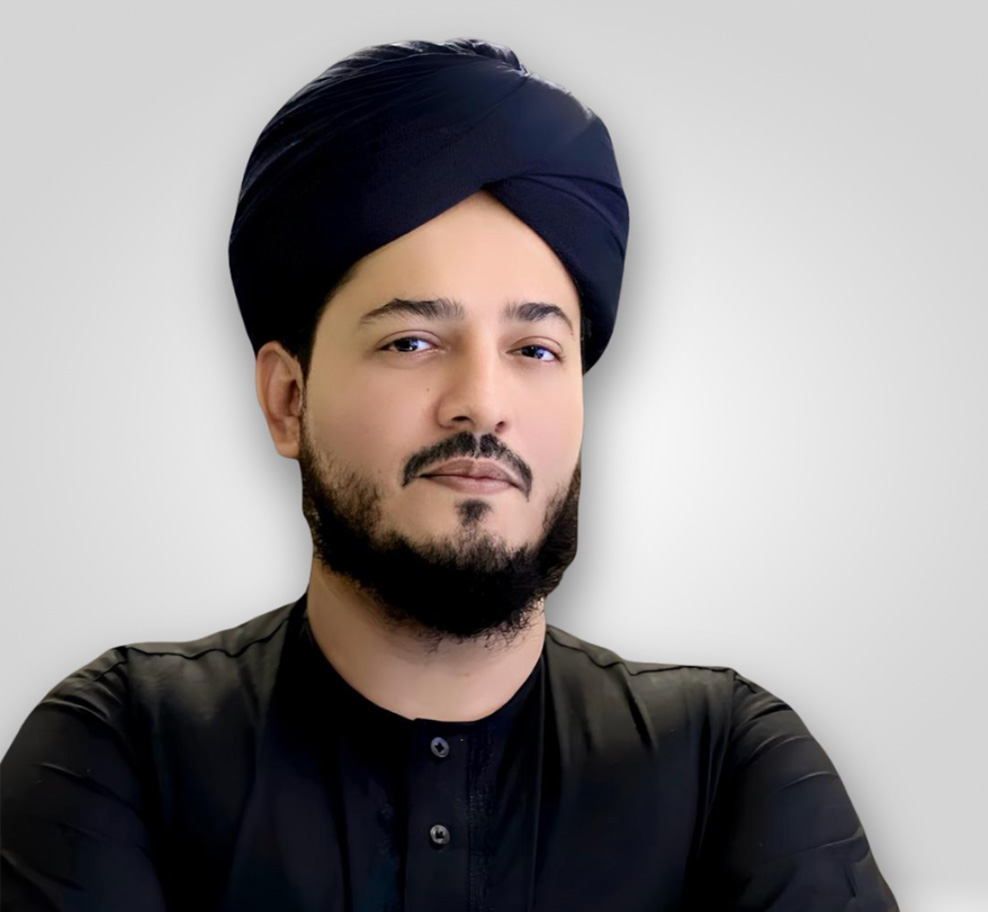
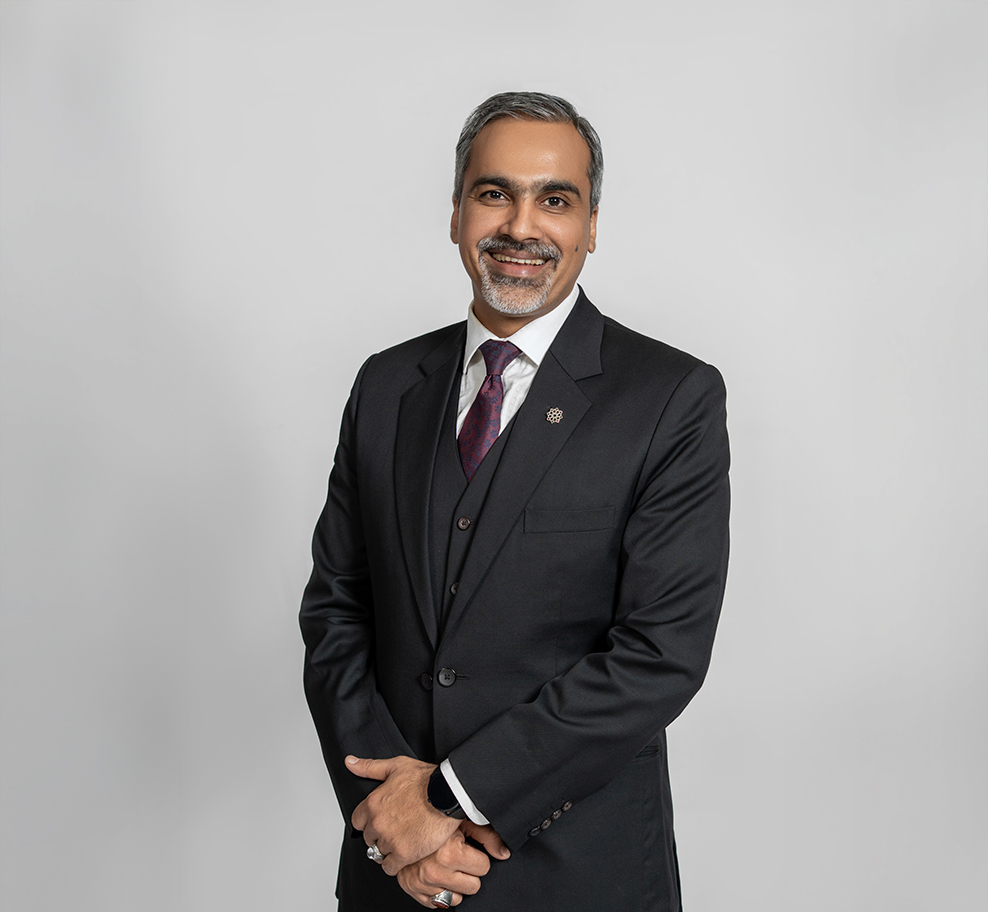
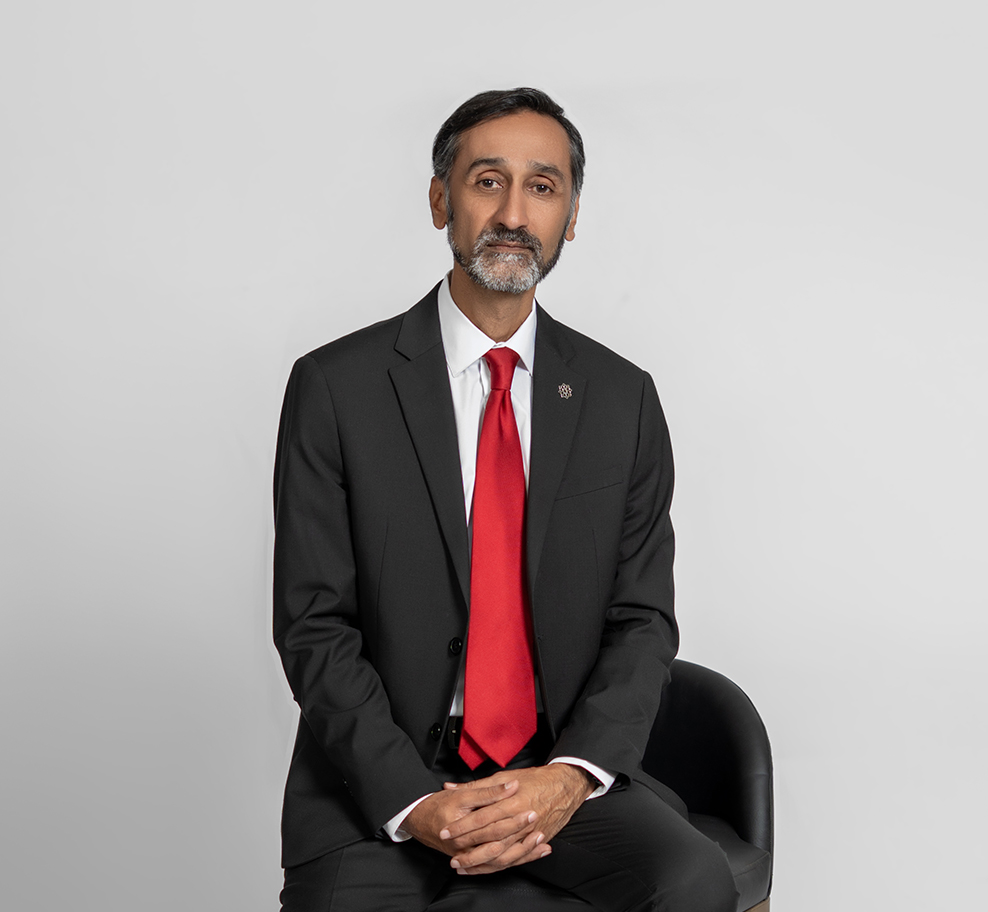
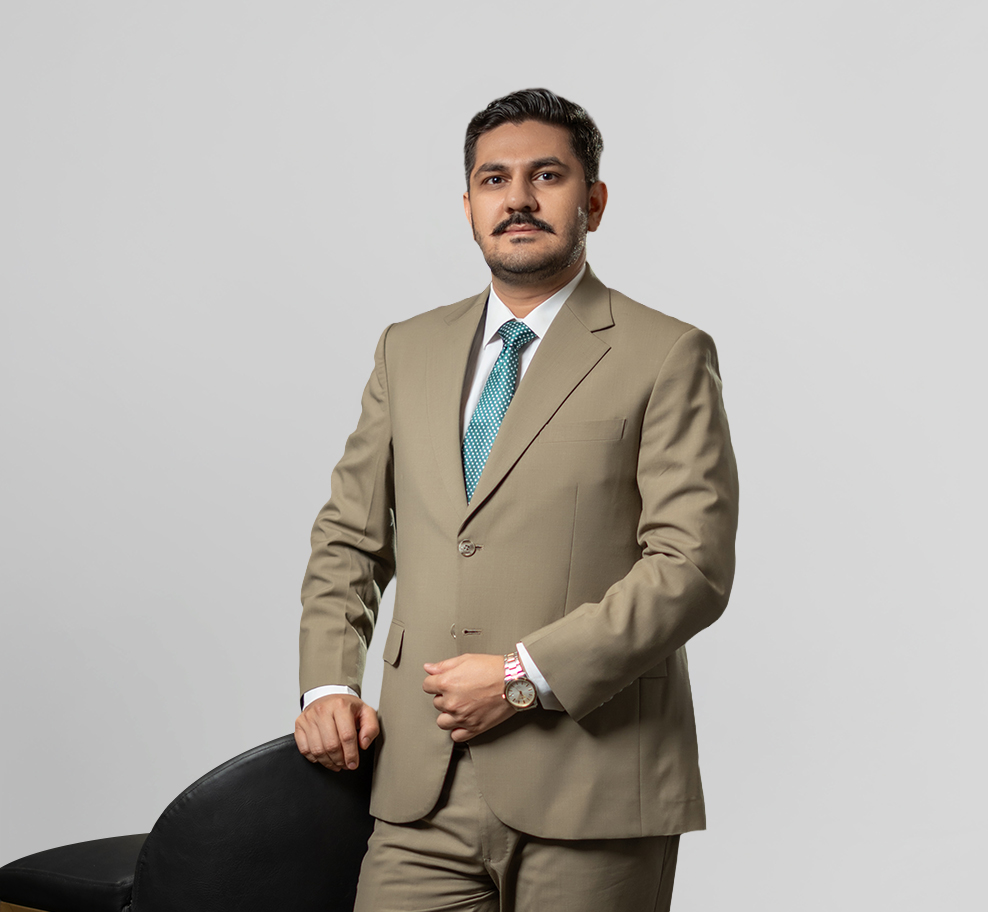
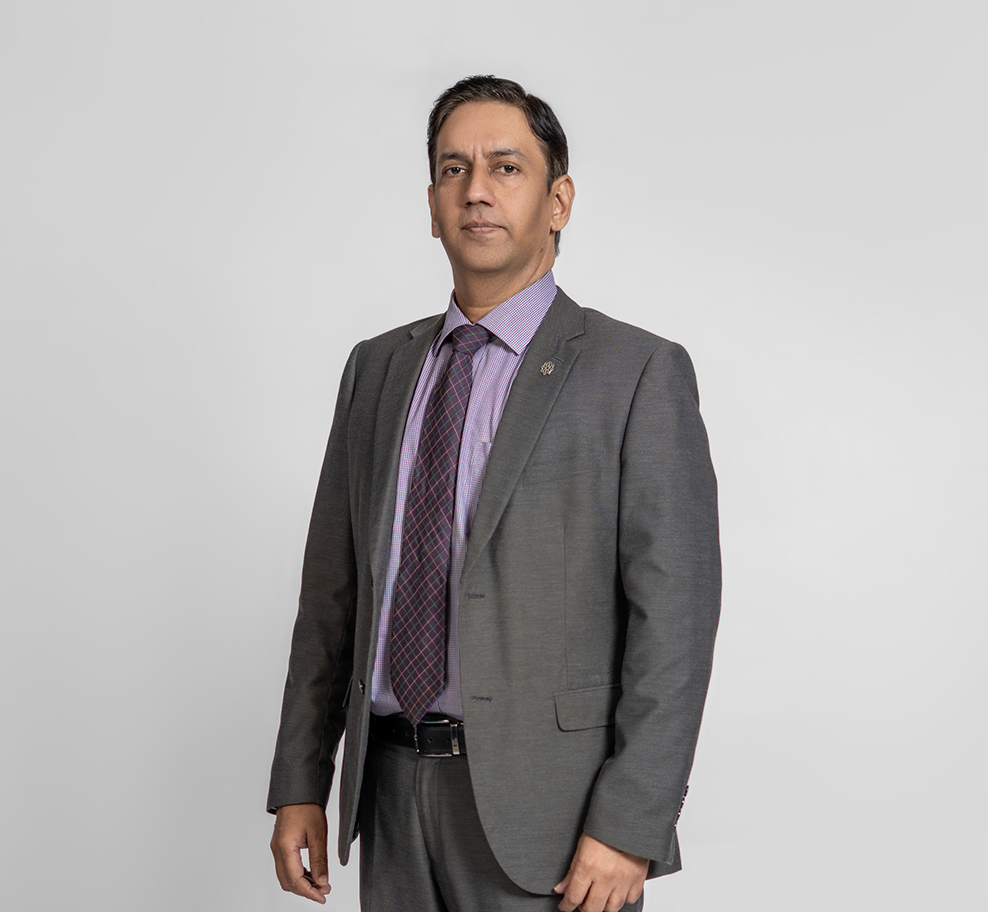
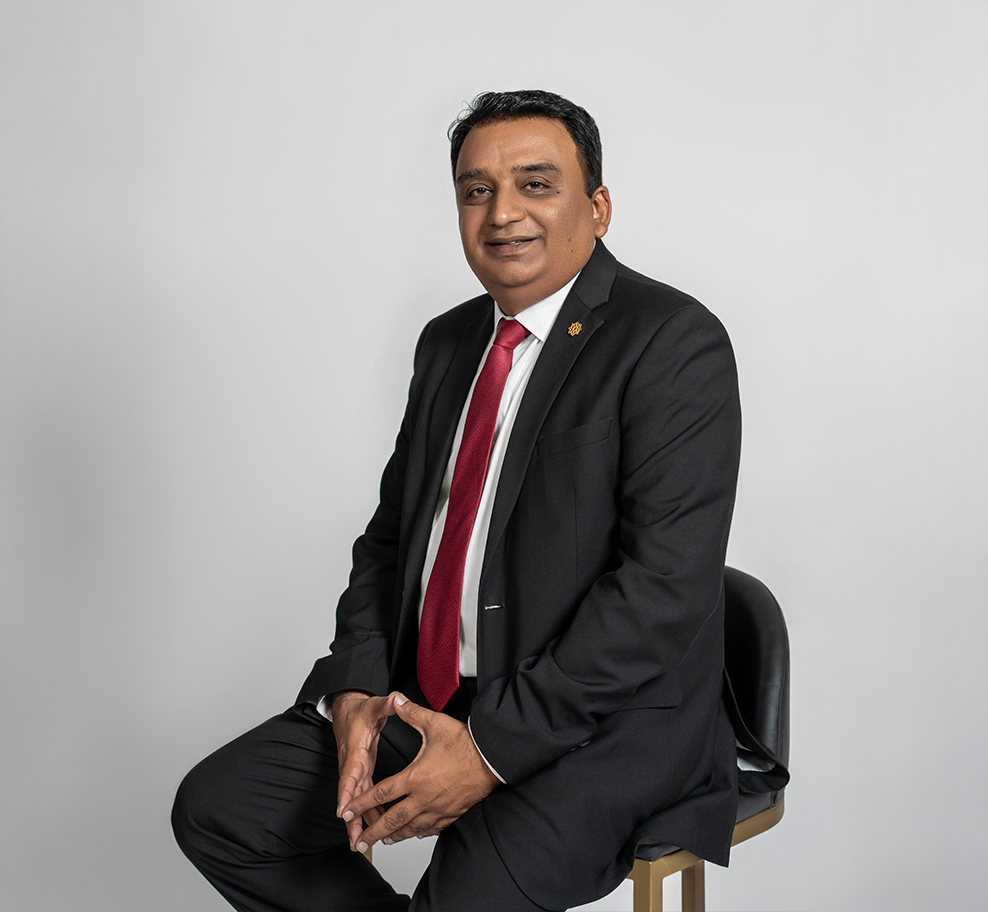
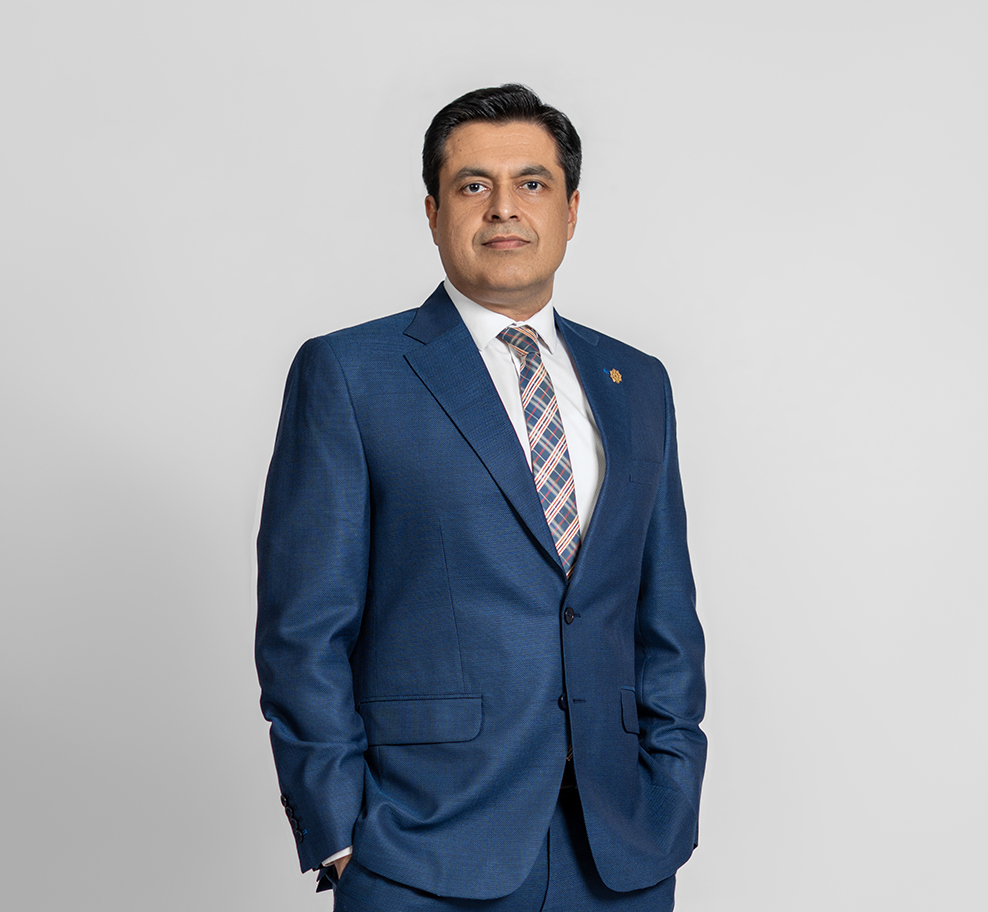
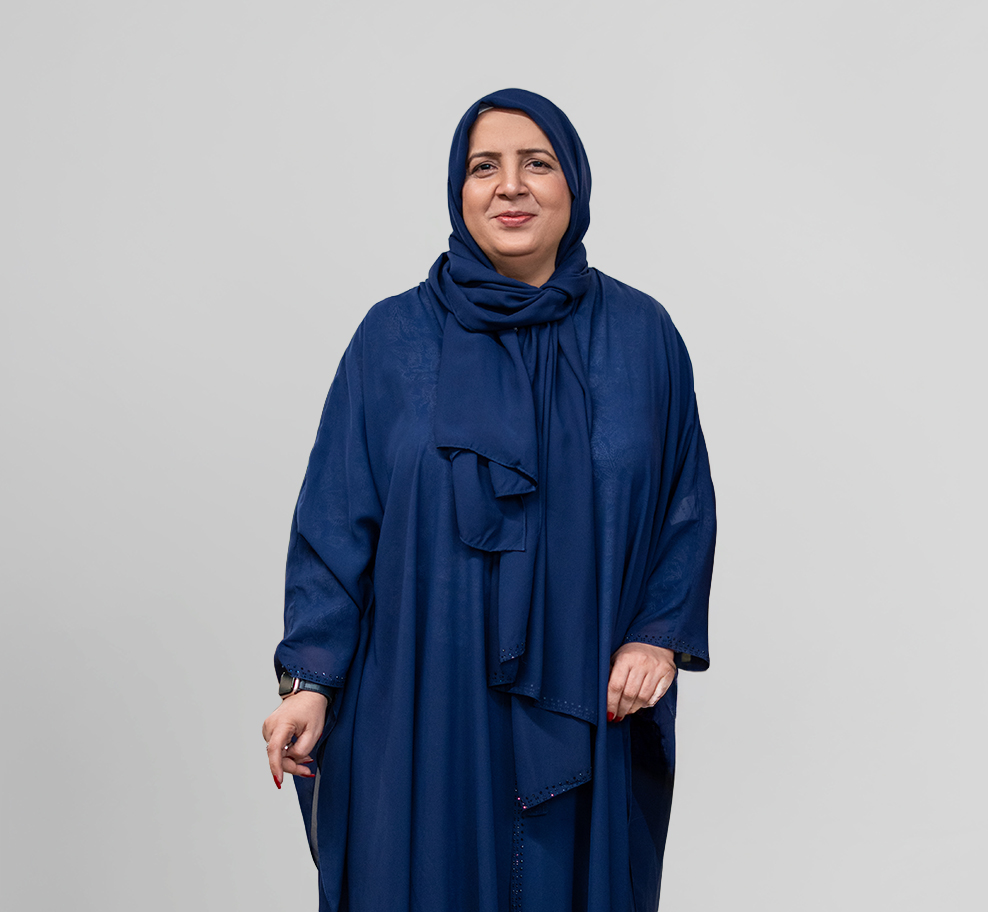
Raqami’s products and services are overseen by an independent Shariah Board, chaired by Sheikh Dr. Mufti Muhammad Imran Ashraf Usmani, with Muhammad Ashja Khan serving as Resident Shariah Board Member, alongside Mufti Hassaan Kaleem, Mufti Muhammad Muaz Ashraf and Mufti Azfer Iqbal as Shariah Board Members. Raqami also has a dedicated Shariah Compliance Department headed by Nasir Razak Mahar, Head of Shariah Compliance.
Raqami states that its Shariah Board has been involved from the early stages of product and operational development and provides ongoing oversight of products, services and processes. Its Shariah compliance framework is aligned with SBP’s 2024 framework and adopts relevant AAOIFI standards.
This governance structure is important because it helps distinguish Shariah-compliant banking based on an approved framework from simply attaching Islamic terminology to a conventional financial product.
So, Is Islamic Banking Really Interest-Free?
Under the Shariah compliance framework governing Islamic banking, Riba/interest based activities are prohibited.
But understanding that statement properly requires looking beyond the label “interest-free.”
Islamic banking replaces conventional interest-based structures with permissible financial arrangements based on the relevant Shariah principles and contracts.
These may involve:
- Partnership
- Profit & Loss sharing
- Trade
- Leasing
- Investment
- Agency
- Asset-backed transactions
- Other Shariah-compliant structures
SBP explicitly states that Islamic banks cannot lend money to earn an additional amount on the loan, while explaining that permissible profits can be earned through Shariah-compliant trade, investment and service activities.
What Should You Ask When Evaluating an Islamic Banking Product?
Instead of asking only whether an Islamic product “looks like” a conventional one, consider a few deeper questions:
What is the underlying contract?
What legal and Shariah structure governs the transaction?
Where does the bank’s income come from?
Is it generated through a permissible trade, lease, partnership, investment or service?
Who approved the structure?
Is there an appropriate Shariah governance and oversight mechanism?
What does the documentation say?
Are the contractual terms, obligations, rights and pricing clearly disclosed?
These questions help you understand the substance of an Islamic banking product rather than judging it only by its appearance.
Frequently Asked Questions
Is Islamic banking really interest-free?
Islamic banking operates in accordance with Shariah principles, which prohibit Riba(interest)Islamic banks instead use Shariah-compliant structures through which income can be generated from permissible trade, investment, leasing, partnership and services.
How do Islamic banks make money without interest?
Islamic banks can earn income through Shariah-compliant trade, investment, leasing, partnership and service-based activities. SBP explains that these activities provide the basis for generating profit without charging interest on loans.
Why does Islamic bank profit sometimes look similar to conventional interest?
A customer’s final payment or expected return does not, by itself, determine whether a transaction is interest-based. The underlying contract, transaction mechanism and source of income are important in determining the Shariah nature of the product and consequent profit.
Is Islamic banking just conventional banking with different terminology?
No. Islamic banking requires the underlying financial structures and transactions to comply with applicable Shariah requirements. Shariah governance and oversight are designed to support this compliance.
Can non-Muslims use Islamic banking?
Yes. SBP states that Islamic banking is a viable option for everyone irrespective of religion.
Who makes sure Raqami’s products are Shariah-compliant?
Raqami’s Shariah compliance structure includes an independent Shariah Board and a dedicated Shariah Compliance Department. The bank states that its Shariah Board provides ongoing oversight of its products, services and processes.
The Bigger Picture
Healthy questions about Islamic banking are important.
Customers should be able to ask how a product works, where a return comes from, what contract is being used and who provides Shariah oversight.
The strongest answer is not simply a label or a marketing claim. It is transparency about the structure, clear documentation, appropriate Shariah governance and evidence of how the transaction operates.
That is what turns Islamic banking from a concept into a governed financial system.
At Raqami Islamic Digital Bank, Shariah governance is an integral part of the bank’s approach to digital banking. Customers can explore Raqami’s Shariah Knowledge Portal, Shariah resources and product information to better understand how its Islamic digital banking services are structured.