















 ❮
❮

Independent Director
Mohammad Aftab Manzoor is a highly accomplished banking executive with over 35 years of experience, including a decade as CEO/President of leading Pakistani banks. He has successfully led major institutional transformations at MCB Bank, Allied Bank, and Soneri Bank, with expertise in strategic leadership, risk management, technology modernization, regulatory relations, corporate banking, and franchise growth. His career also includes extensive board-level experience across financial institutions, corporate bodies, and public-sector organizations.
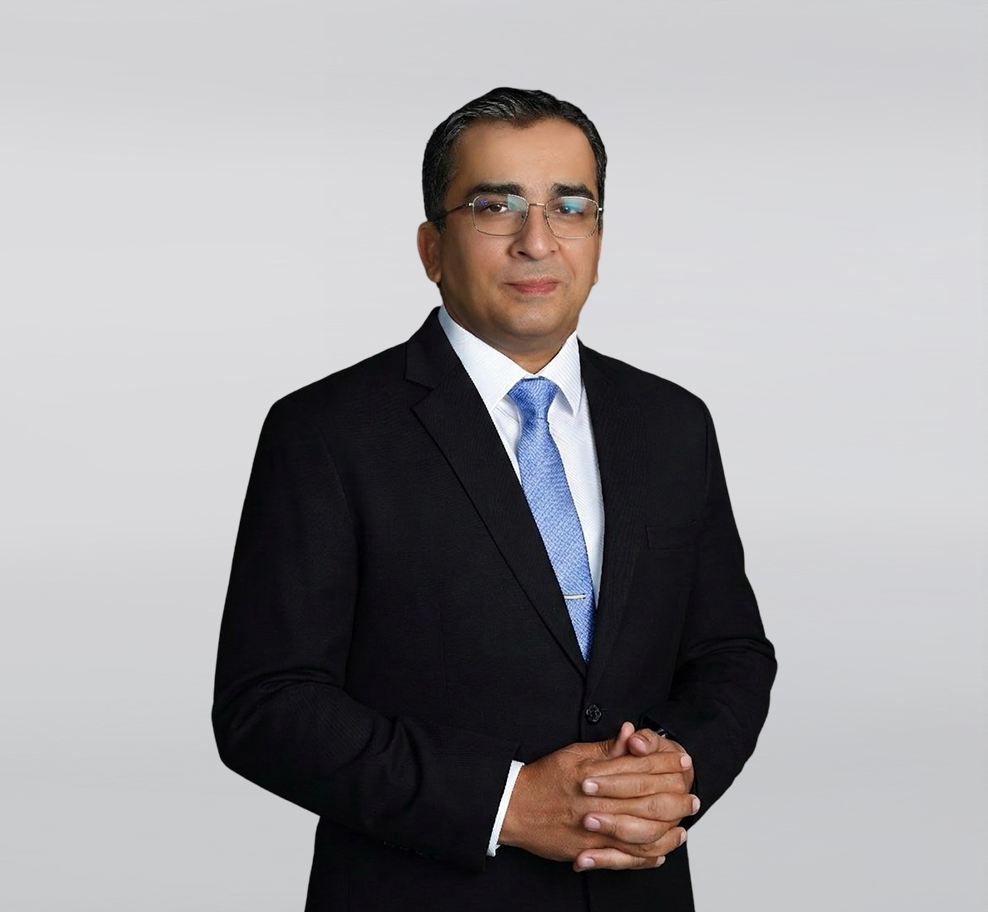
Asim A. Siddiqui is a senior banking executive and risk management specialist with more than two decades of experience in consumer banking, SME and Digital lending. He has built a distinguished career leading risk strategy, credit policy development, and portfolio management across major financial institutions including Bank Alfalah, Habib Bank Limited (HBL), Standard Chartered Bank, and Qatar Commercial Bank. Throughout his career, he has successfully managed large-scale lending portfolios, implemented advanced credit scoring and analytics frameworks, and strengthened risk governance to support sustainable business growth while maintaining strong asset quality. His leadership has been instrumental in launching digital lending programs, developing SME credit frameworks, and driving data-driven risk decision-making in rapidly evolving banking environments. As Chief Risk Officer at Raqami Bank, he is responsible for shaping the bank’s enterprise risk framework, strengthening risk governance, and enabling innovation in digital banking while ensuring prudent risk management and regulatory compliance.
Independent Director
Jehan Ara is a powerhouse in Pakistan’s digital ecosystem, known for championing the youth, innovation and women’s leadership. As Founder & CEO of Katalyst Labs and the former President of P@SHA, she has helped shape the country’s tech landscape through startup acceleration, policy advocacy, and community-building. She created platforms like The Nest I/O and +92Disrupt, empowering young entrepreneurs nationwide, while her board roles—from the PM’s Taskforce for IT & Digital Economy, to global advisory groups and most recently, her appointment to the Board of Governors of IBA—highlight her influence in driving inclusive digital growth and support for Pakistan’s youth. Her decades of impact earned her the Tamgha-e-Imtiaz, recognizing her as a leading voice for entrepreneurial talent and a modern, tech-enabled Pakistan.
Yasser Malik is a strategic leader in the infrastructure space, financial and venture capital sectors, currently serving as Head of Emerging Markets of Enertech Holding Company KSC. He has been instrumental in developing large-scale energy projects across Pakistan and the Middle East. His previous roles at Bank of America Merrill Lynch, JP Morgan, Eplanet Capital and PWC involved driving investments in high-impact ventures. With a BSc in Economics and Statistics from University College London and a Sitara-i-Imtiaz for his contributions to public-private partnerships, Mr. Malik’s role at Raqami Islamic Digital Bank focuses on leveraging digital innovation to drive sustainable growth.
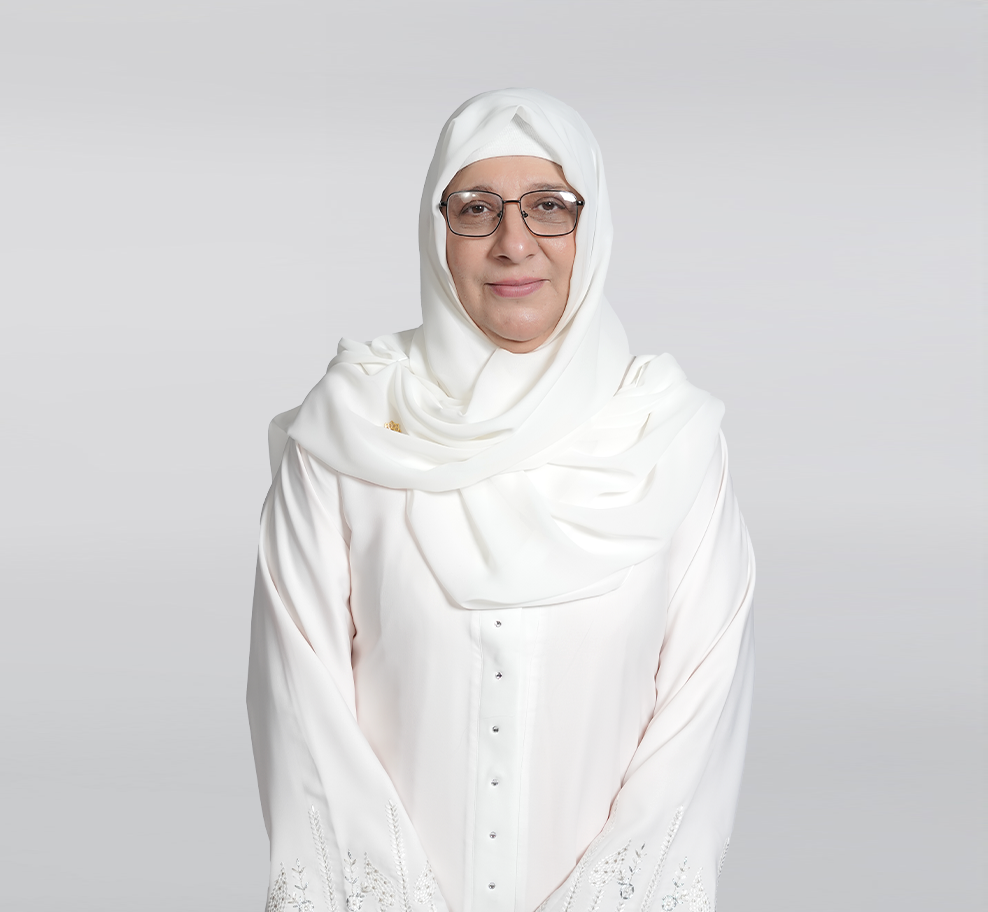
Nilufer Pereira brings over three decades of experience in the banking industry, with a strong background in card operations, digital banking, payments, and branchless banking. She has held senior leadership roles at several of Pakistan’s leading financial institutions, including Bank Alfalah, MCB, Standard Chartered Bank, Union Bank, and American Express.
Her expertise in operational excellence, risk management, and the digital ecosystem has consistently delivered strong, measurable results.
She holds a Bachelor’s degree in Commerce and a Diploma in Computer Science. She has also completed multiple international and local trainings, including AMEX, Visa, and MasterCard chargeback and fraud programs, as well as leadership and operational risk management courses.
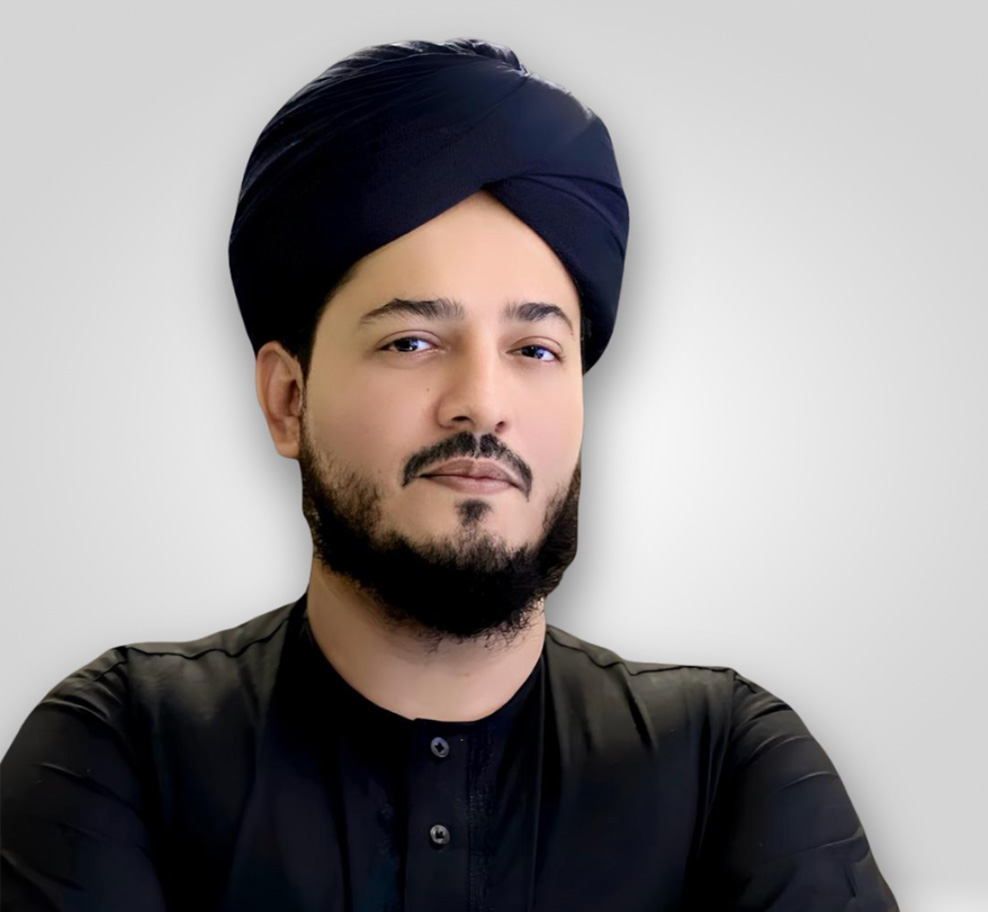
Mufti Muhammad Muaz Ashraf specializes in Islamic banking, jurisprudence, and Halal certification. He is a Certified Shari’ah Advisor & Auditor and has held roles in Shariah advisory and Halal assurance at institutions like Meezan Bank and NIBAF. His contributions extend to developing Shariah-compliant solutions and ensuring Halal integrity across various sectors.

Mufti Azfer Iqbal is recognized for his expertise in Islamic finance and Shariah compliance. He has served as a Shariah advisor and compliance manager at various institutions, currently overseeing Shariah compliance at Burque Corporation. Mufti Azfer also engages in teaching and research, contributing as a faculty member and Shariah trainer in multiple educational institutions.
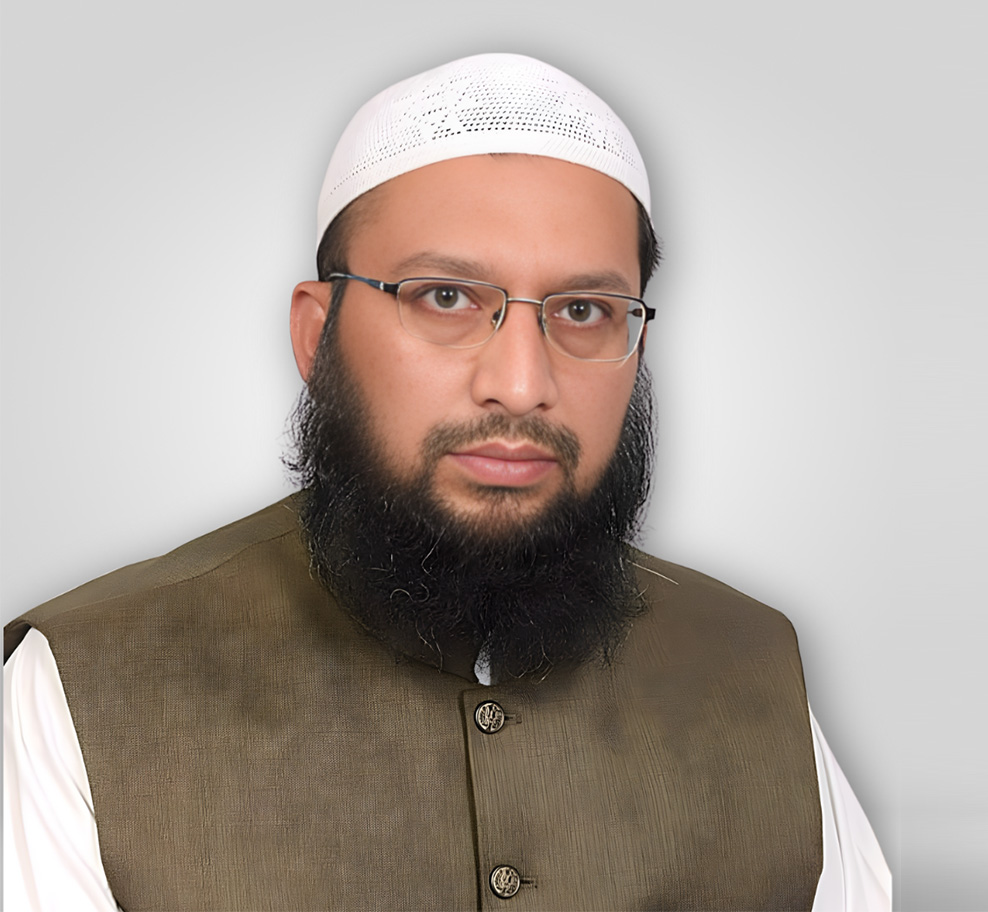
Muhammad Ashja Khan is a seasoned Shariah scholar with over nine years of experience in Islamic banking and Shariah audit. He has completed specialized religious studies and is a certified Shariah Advisor registered with the SECP. His professional journey includes roles at Faysal Bank and EY Ford Rhodes, focusing on Shariah compliance and advisory services.
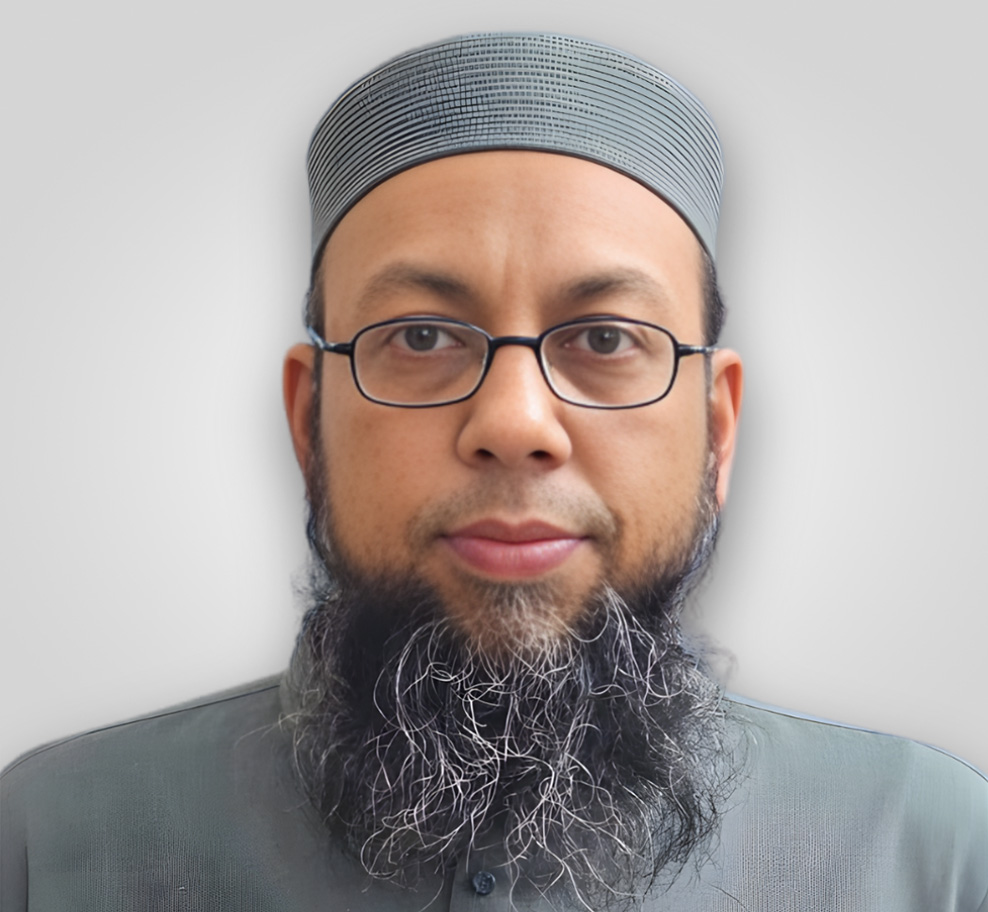
Mufti Hassaan Kaleem brings 24 years of experience in Shariah advisory. He holds significant roles as Vice Chairman of the Shariah Board at Dubai Islamic Bank Pakistan and as a member of several Shariah boards, including the Islamic Development Bank. He is actively involved in Shariah consultancy, teaching, and training at institutions like IBA and NIBAF, contributing to the advancement of Islamic finance globally.
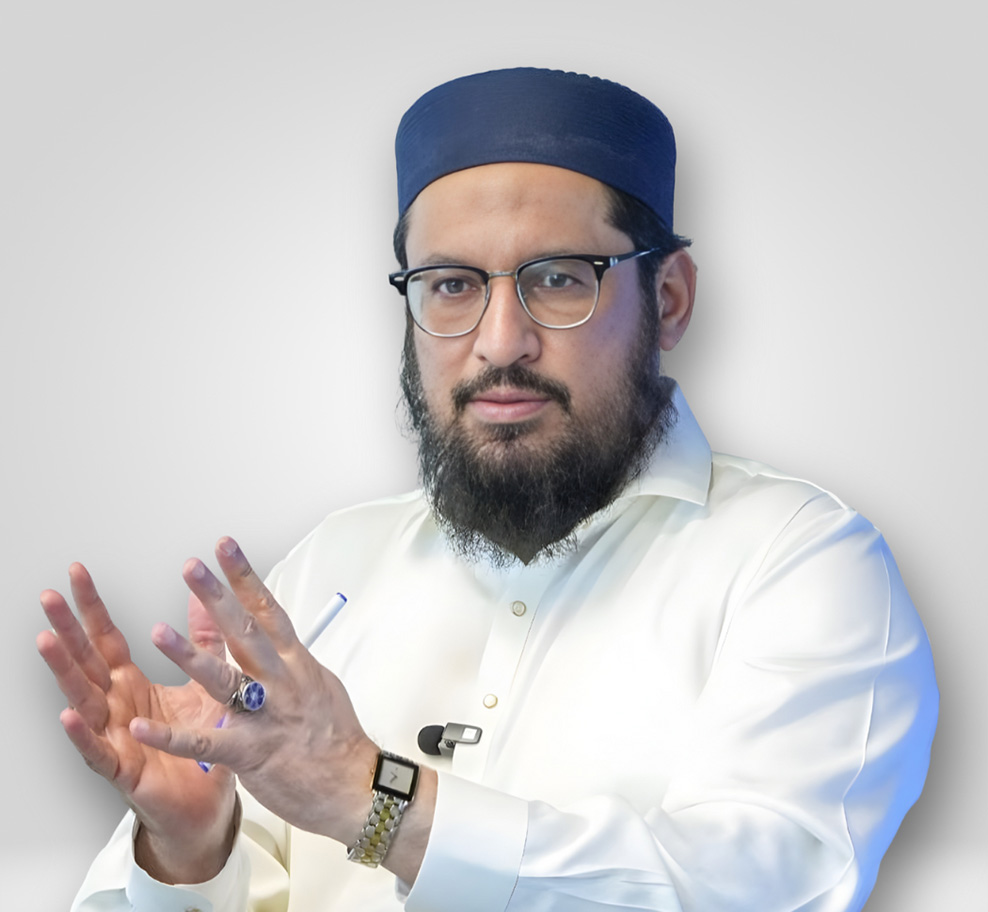
Sheikh Dr. Mufti Muhammad Imran Ashraf Usmani is a leading Islamic scholar with over three decades of experience. He specializes in Islamic Fiqh and holds a Ph.D. in Islamic Finance. Dr. Usmani serves as Vice Chairman of the Shariah Supervisory Board at Meezan Bank and advises several global financial institutions on Shariah compliance and Islamic finance. He also plays a key role in developing Islamic banking products and ensuring Shariah compliance.
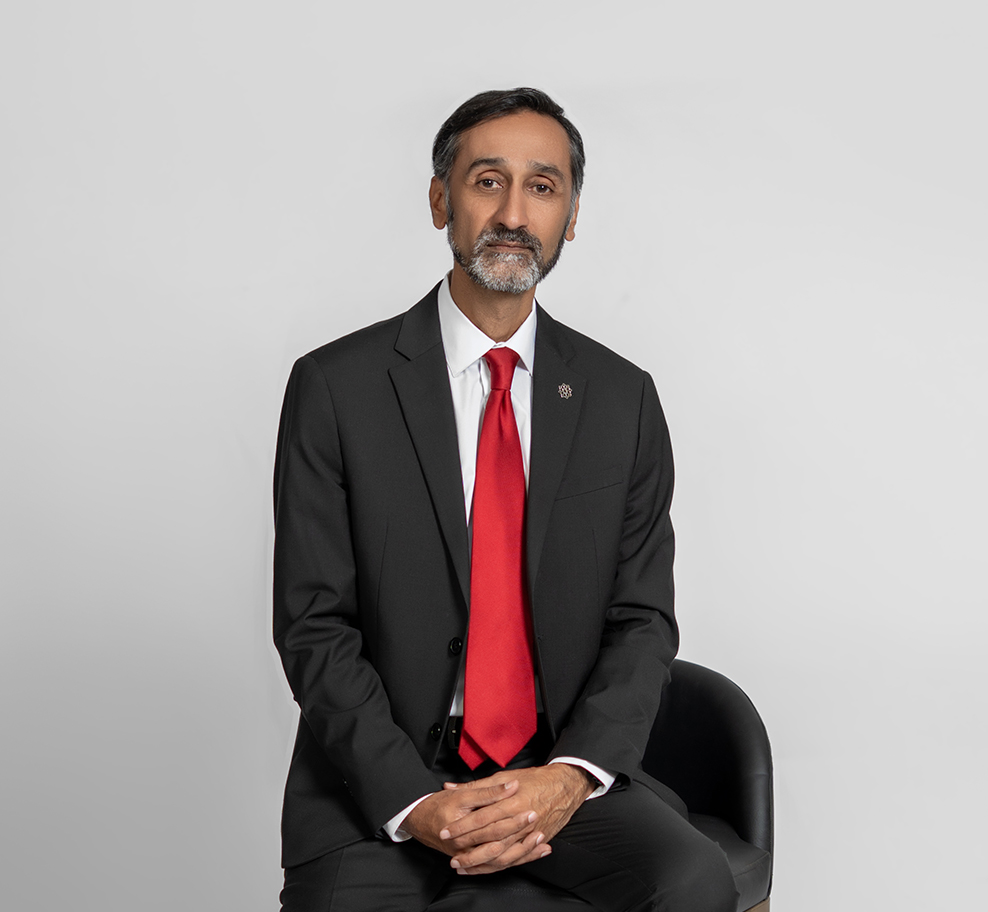
Babar Ahmad has 30+ years of experience in various national and international companies. Ranging from Jazz and Warid locally to T-Mobile and Ajilon in the US. He has held many senior level positions, including being the CEO of three startups. He is a dynamic leader with proven track record in both developed and emerging markets, and now leads the Marketing and Communications department at Raqami Islamic Digital Bank.
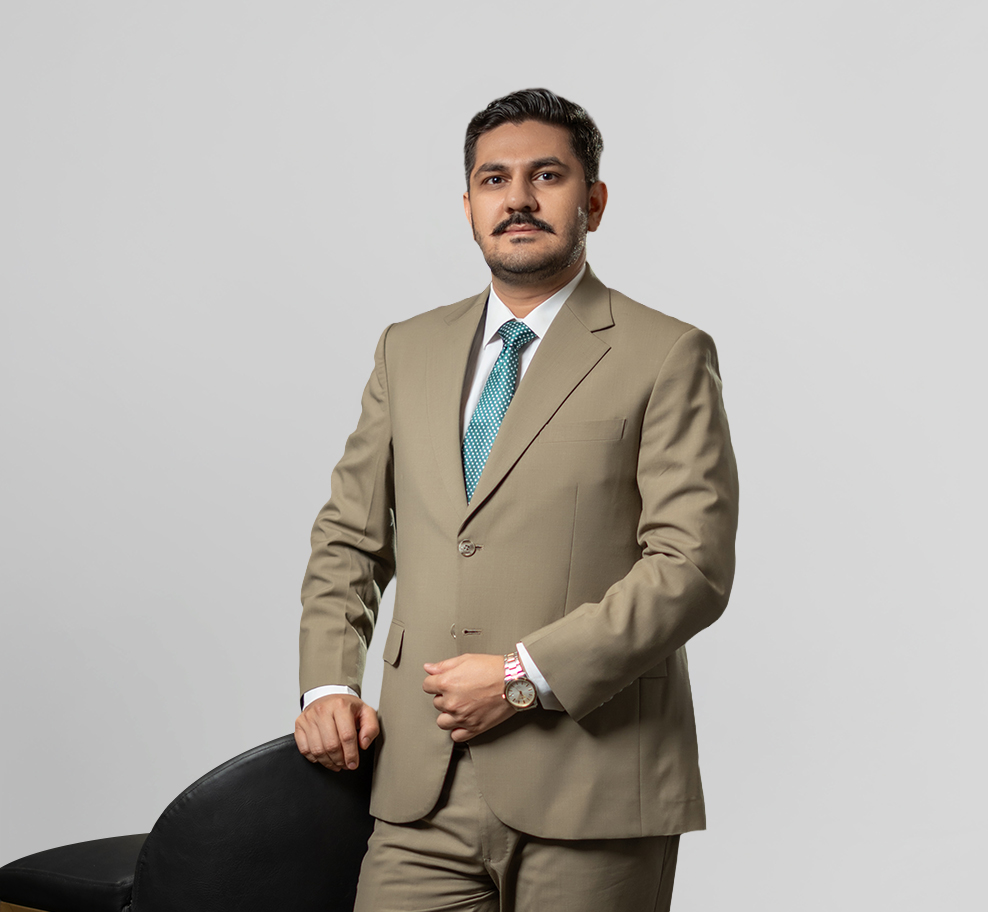
Muhammad Abeer Khan has extensive experience in leading data science teams to enhance business performance through predictive analytics and machine learning. He previously held roles at 10 Pearls, Afiniti, and Daraz, and currently drives data-driven strategies at Raqami Islamic Digital Bank, focusing on long-term innovation and strategic advantage
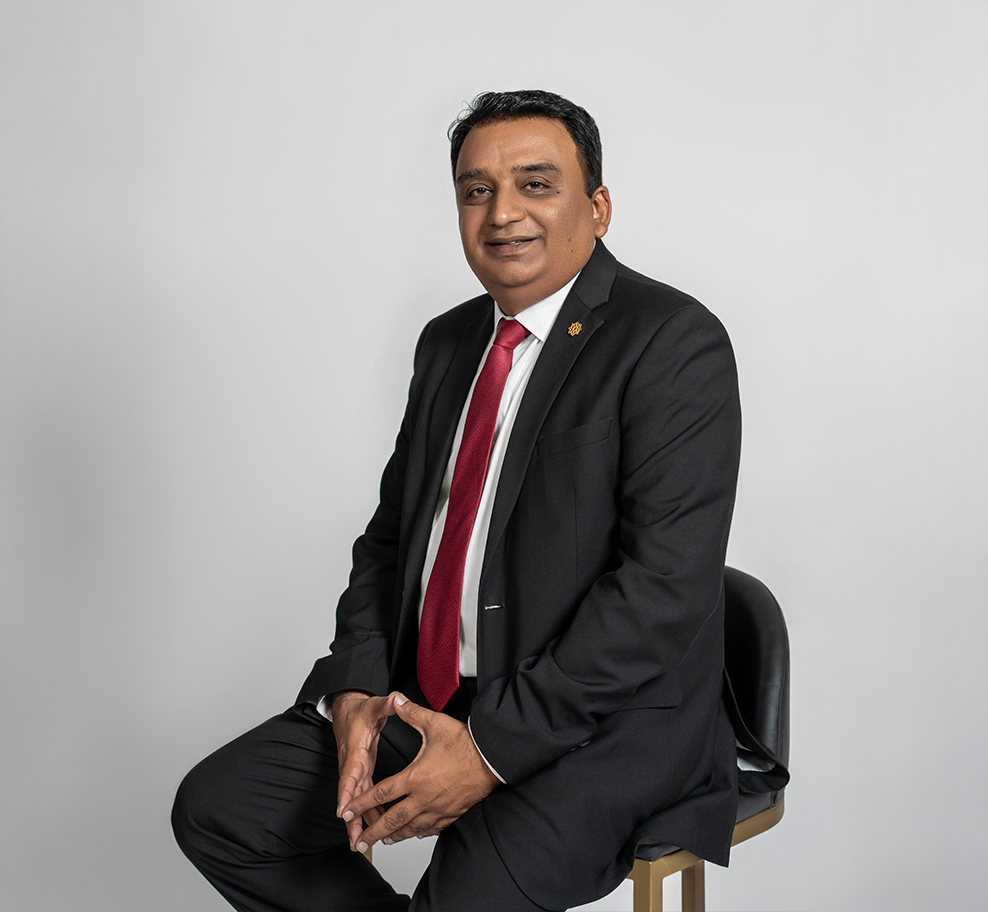
Naresh Karia is a Chartered Accountant with over 20 years of experience in compliance, risk management, and governance. He has held senior roles at Bank Alfalah and Planet N Group and currently ensures regulatory compliance and operational integrity at Raqami Islamic Digital Bank.
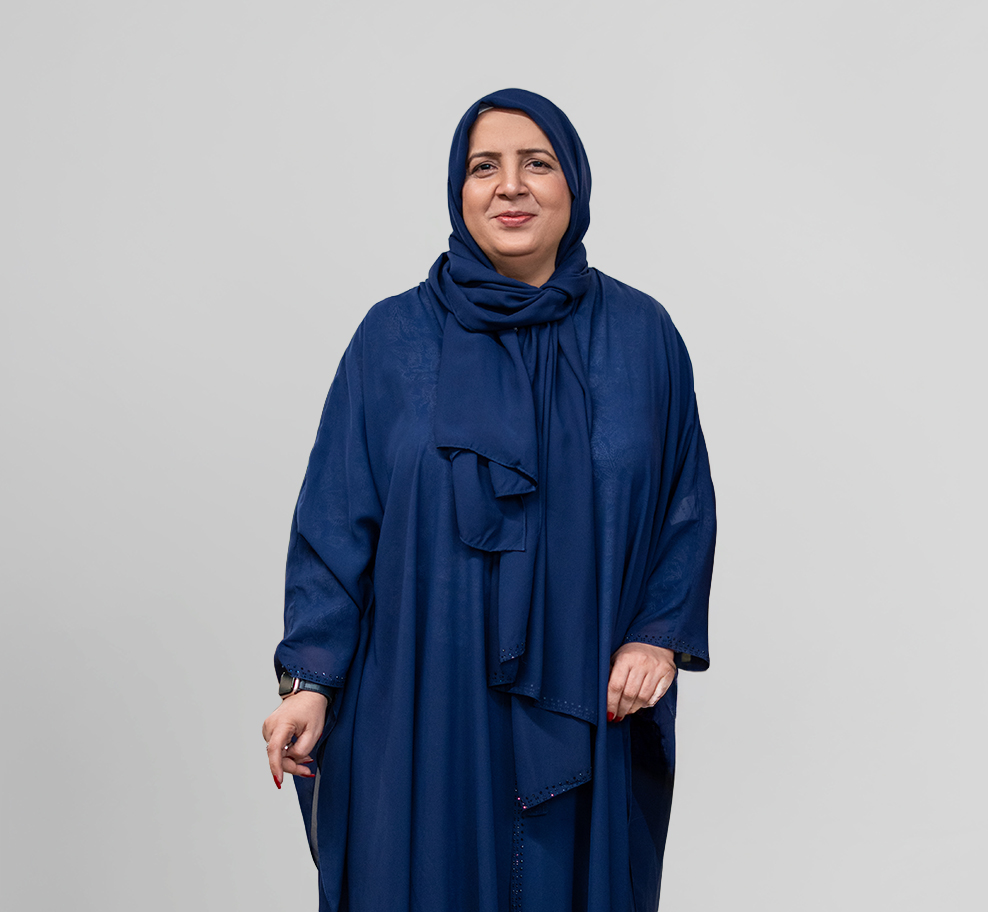
Samina Malik is an HR professional with over 20 years of experience in change management, performance management, and HR operations. She has held senior positions at Etihad Airways and Dawood Group and now leads HR strategy at Raqami Islamic Digital Bank, fostering effective HR practices and organizational development.
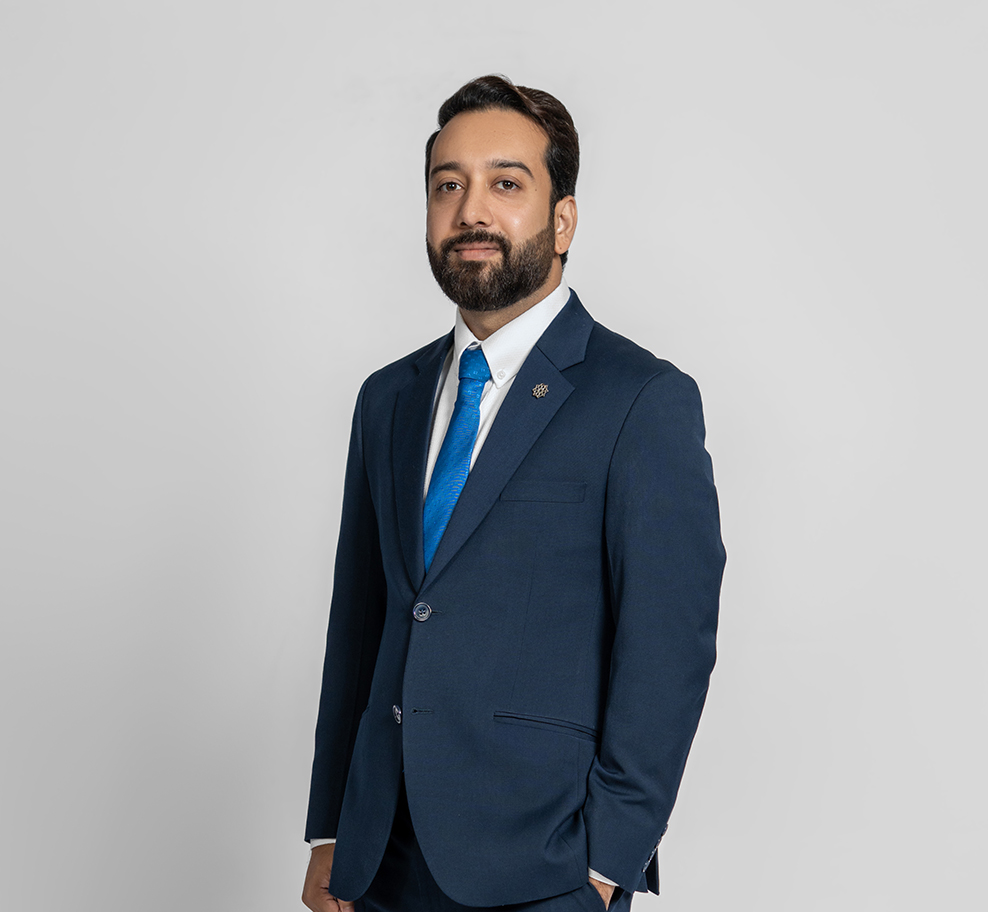
With over a decade of experience across leading Islamic financial institutions, Nasir Razak brings a unique blend of Shariah expertise, innovation, and strategic leadership to Raqami Islamic Digital Bank. He has played a central role in developing governance frameworks and shaping customer-focused, Shariah-compliant solutions that have served Investment Banking, Corporate, SME, Consumer and Retail clients.
Nasir’s passion lies in bridging the gap between traditional Islamic banking and the rapidly evolving digital financial ecosystem. Under his leadership, the bank continues to strengthen its Shariah compliance culture while fostering innovation and productivity. He is widely regarded for his forward-thinking approach, ethical leadership, and contribution to the advancement of modern Islamic finance in Pakistan
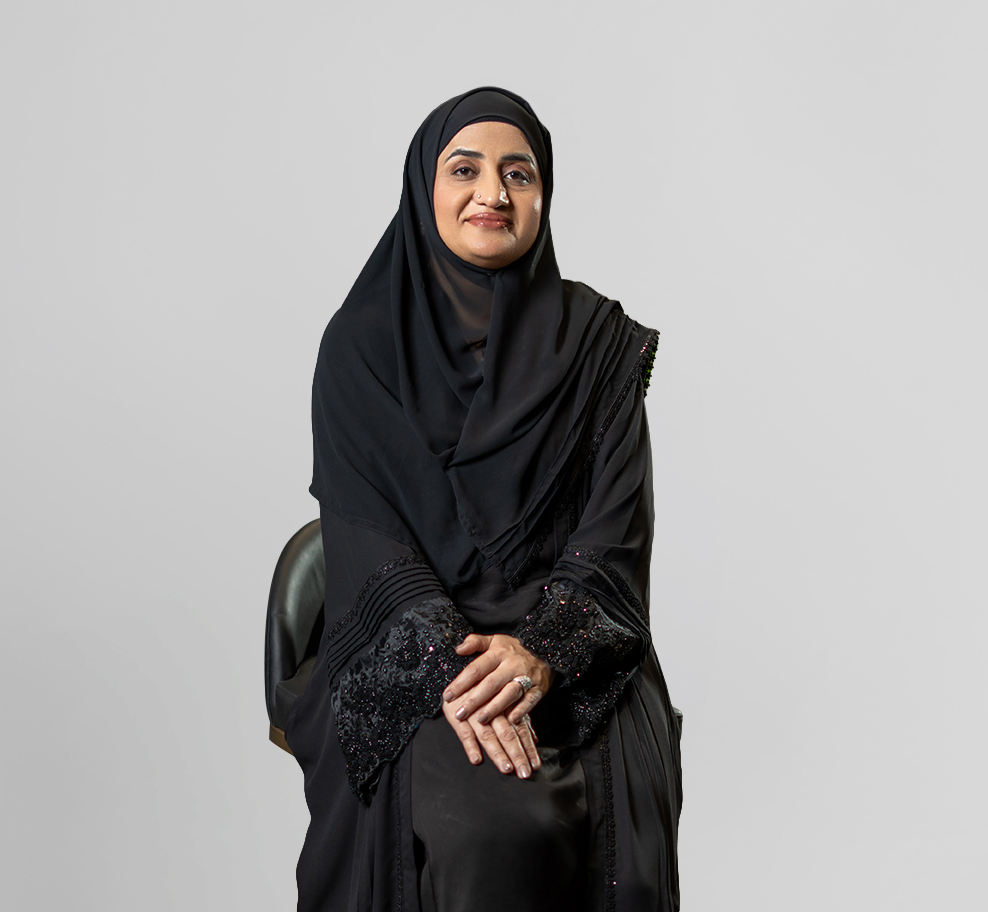
Rukhsana Narejo, CFA, is a senior investment and treasury professional with over 25 years of leadership across commercial banking, asset management, development finance, and digital banking. Currently Chief of Treasury & Alternate Investments at Raqami Islamic Digital Bank, Pakistan’s first Shariah-compliant digital retail bank, she is spearheading the design of a modern treasury architecture rooted in innovation, financial inclusion, and Islamic principles. Rukhsana has held pivotal roles at institutions like Sindh Bank, Asian Development Bank, and NBP Fund Management, where she led multi-billion-rupee portfolios, launched the country’s largest fixed-income fund, and built strategic frameworks for pension fund management. A respected thought leader and board member, she is a vocal advocate for gender diversity, ESG practices, and sustainable finance, with a proven track record of shaping Pakistan’s financial landscape through policy, innovation, and purpose-driven leadership.
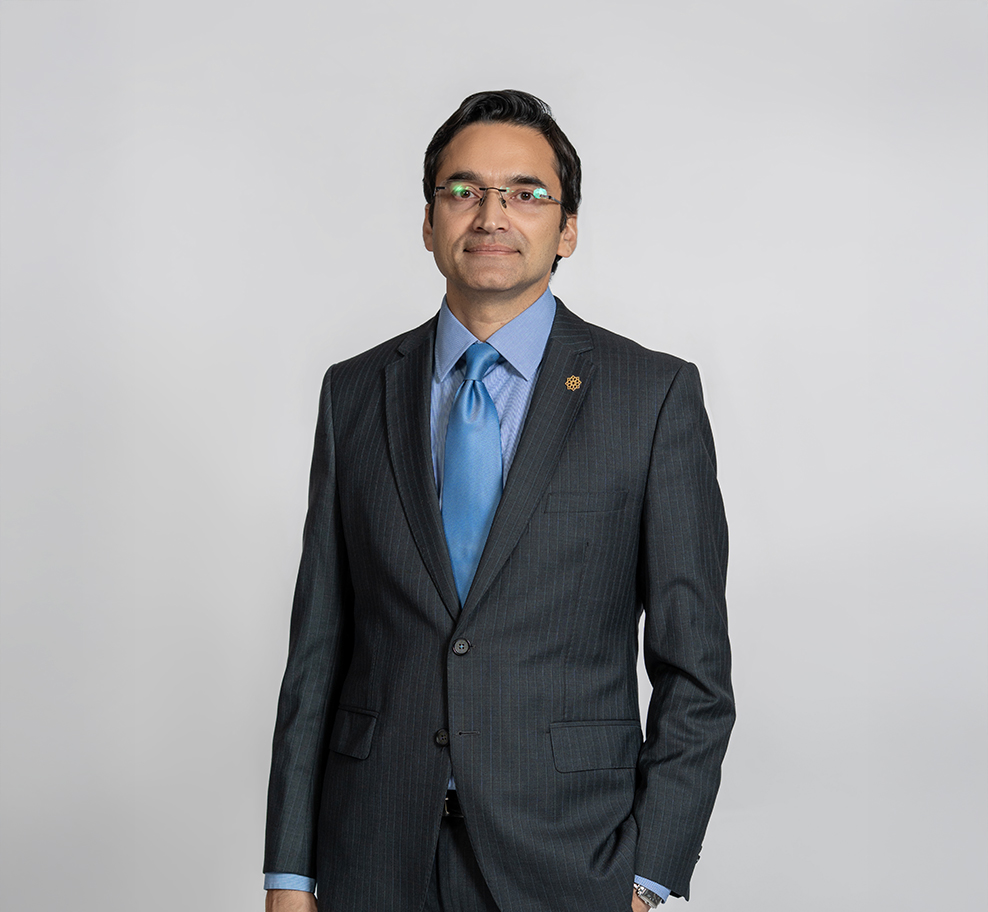
Fahad Asad Khan is a Chartered Accountant with 20 years of experience in Strategic Finance, entity setups, M&A, Banking and Islamic Finance in Pakistan and Europe (Ireland). He has held leadership roles with large banks & F.I. (including Bank Alfalah, BankIslami, Statestreet, Pakistan Microfinance Investment Company) and other large entities. He completed his training with A F Ferguson (PwC) Karachi Office and has also served with KPMG in Ireland.
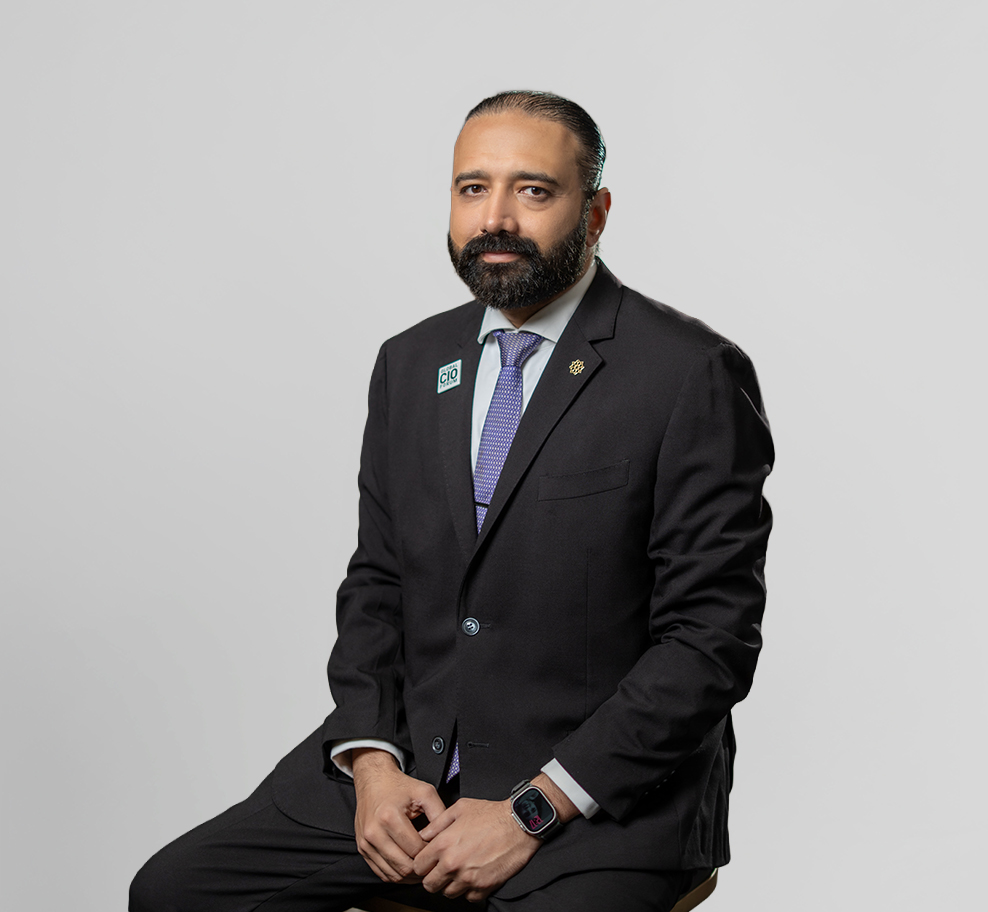
Syed Mohammad Ali Naqvi has 22 years of experience in spearheading Digital, Technology Led Transformations for Banks, Oil & Gas, Telecoms and other large conglomerates across Middle East & Africa. Extensive experience in Digital Strategy, Data Strategy, Artificial Intelligence, Data & Analytics, Risk Management Solutions, Fraud Management Solutions, Anti Money laundering Solutions, Banking Channel & Platform Management, Technology Architecture, Application Management, ERP Implementations, Business Analysis, Program Management, Delivery Management, Change Management, & Software Development.
Mr. Tamim Shabbir is a seasoned finance professional with over 25 years of experience in the banking and financial services sector. He currently serves as the Chief Financial Officer and Senior Executive Vice President at Pakistan Kuwait Investment Company (Private) Limited (PKIC). His expertise spans financial management, budgeting, regulatory reporting, taxation, and corporate governance. His career has been defined by a strong focus on strategic financial planning, corporate governance and regulatory reporting. Mr. Shabbir is known for his ability to work closely with business units, enhancing profitability and aligning financial operations with corporate objectives. He also has audit experience with Ernst & Young (UK) and A.F. Ferguson & Co.
Mr. Shabbir has held senior positions at major institutions including Al Baraka Bank, Meezan Bank, and Faysal Bank, and brings deep insight into both domestic and international financial operations. He is a member of several key committees, including the Management Committee, Asset and Liability Committee, and Compliance Committee, contributing to strategic decision-making and financial oversight.
Atif Azim is a technology entrepreneur and investor with over 20 years of experience across Silicon Valley, the UAE, and Pakistan. He is the CEO of VentureDive and a founding board member of DotZero, Pakistan’s first tech incubator. Mr. Azim’s career highlights include founding Perfigo, a startup acquired by Cisco, where he later served as Vice President of Solutions. He holds a Master’s in Computer Science from Stanford University and a Bachelor’s from Imperial College London. At Raqami Islamic Digital Bank, he is the Chairman of the Board IT Committee and is a key driver of the bank’s digital innovation strategy.
Shahid Sattar is a highly experienced banking executive with a career spanning over 40 years. He served as President & CEO of Samba Bank, where he led a successful turnaround by driving profitability and digital transformation. Mr. Sattar has held senior roles at UBL, NIB Bank, and MCB Bank, where he contributed to operational efficiency and business diversification. With an MBA from the University of Punjab and extensive experience across Pakistan and the Middle East, his focus at Raqami Islamic Digital Bank is on compliance, governance, and fostering innovation. He is currently serving as the Chairman of the Board Audit Committee at Raqami.
Atif Anwer is an accomplished financial executive with extensive expertise in treasury operations, risk management, and financial planning. He has held key roles at Pak Kuwait Investment Company as Head of Treasury and at My Bank Ltd. as Vice President. His academic credentials include an MBA in Finance, complemented by specialized training in treasury and risk management. At Raqami Islamic Digital Bank, Mr. Anwer’s insights into liquidity management and adherence to Islamic principles are pivotal in shaping the bank’s financial strategy and ensuring compliance.
Muhammad Farooq Nasim has over 25 years of experience in corporate and commercial banking, currently serving as Chief Risk Officer at Pakistan Kuwait Investment Company. He has managed key portfolios at institutions like Habib Bank Limited, overseeing corporate middle-market operations and cash management. Mr. Nasim holds an MBA from Punjab University and has a strong track record in managing debt and equity transactions. His appointment as a director at Raqami Islamic Digital Bank is set to enhance the bank’s growth initiatives and governance structures.
Naeem Abdul Sattar is a finance and governance specialist with over two decades of experience. As SEVP and Company Secretary at Pakistan Kuwait Investment Company, he has played a crucial role in strategic planning and compliance. His involvement in the incorporation of Raqami Islamic Digital Bank and his oversight of corporate governance are key to the bank’s operational success. A Fellow of the Institute of Cost and Management Accountants of Pakistan, Mr. Sattar also serves on the boards of several companies, contributing his expertise in finance and regulatory matters.
Ariful Islam, a seasoned banking professional, brings a wealth of experience from his leadership roles at Meezan Bank Limited, where he served as Deputy CEO and Chief Operating Officer. Under his guidance, Meezan Bank became one of the fastest-growing banks in Pakistan. Prior to Meezan, he held senior positions at Faysal Bank and Muslim Commercial Bank, where he was instrumental in driving profitability and expanding operations. A Fellow Chartered Accountant and ACA, Mr. Islam also serves on several boards, including Honda Atlas Cars Limited, contributing his deep expertise in banking and corporate governance to Raqami Islamic Digital Bank.
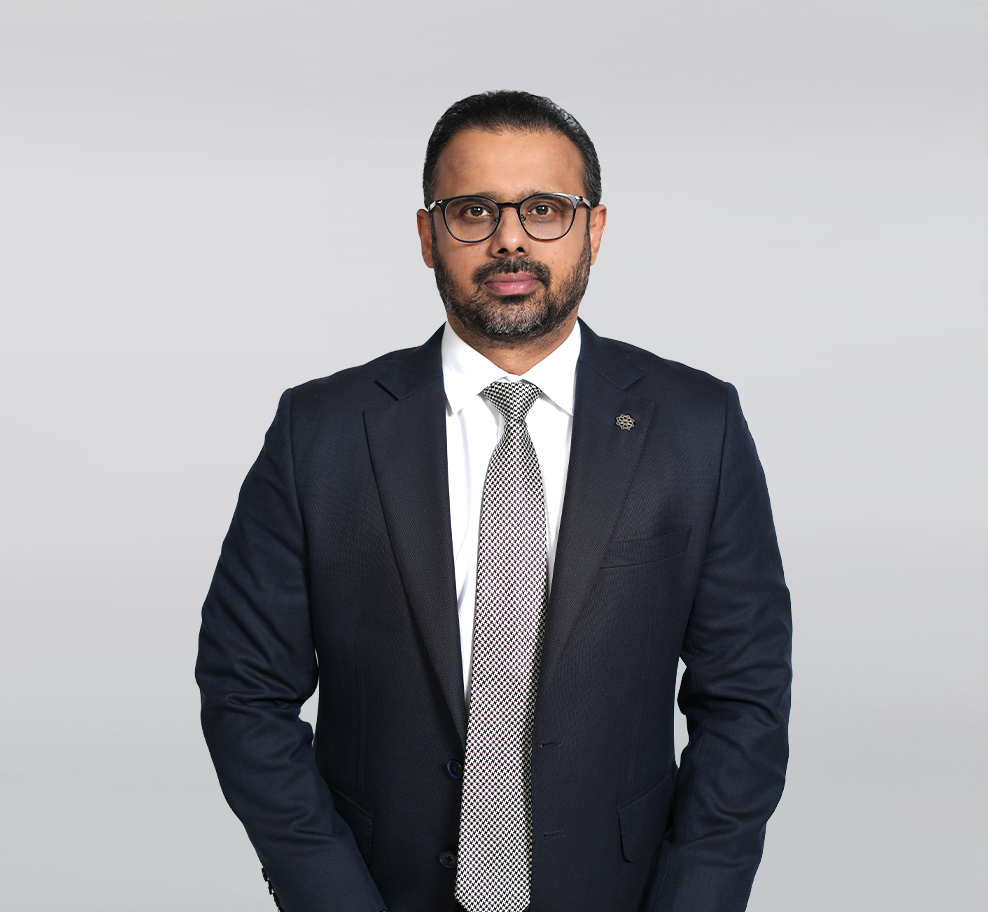
Umair Aijaz, the CEO of Raqami Islamic Digital Bank, is a seasoned financial professional with a background in investment banking and digital transformation. He previously led corporate and investment banking at Pakistan Kuwait Investment Company, where he managed a diverse portfolio and spearheaded key financial initiatives. A Chartered Accountant and Fellow of ACCA, Mr. Aijaz is known for his strategic acumen and ability to drive impactful financial growth. His leadership is pivotal in steering Raqami Islamic Digital Bank towards both financial success and social impact
H.E. Abdullah Al-Mutairi – Sitara-e-Pakistan is the CEO of EnerTech Holding Company, where he leads investments across the oil, gas, water, and clean technology sectors. He has extensive experience in venture capital and private equity, having previously served as an investment manager at NTEC and as an analyst at Kuwait Investment Authority. Mr. Al-Mutairi also serves as Vice Chairman of the Executive Committee and is a founding member of the Kuwait Green Building Council. With an academic background that includes a Master’s in Business Administration from Kuwait University and a Bachelor’s in Civil Engineering from California State University, Long Beach, his strategic vision is vital to the success of Raqami Islamic Digital Bank, where he serves as Chairman.