

❮
A quick-reference guide to banking terms and definitions so you’re never lost in the jargon.
It refers to deposits in trust. A person can hold a property in trust for another, sometimes by express contract and sometimes by implication of a contract. Amanah entails absence of liability for loss except in breach of duty. Current Accounts are regarded as Amanah (trust). If the bank gets authority to use Current Accounts funds in his business, Amanah transforms into a loan. As every loan has to be repaid, banks are liable to repay full amount of the Current Accounts.
Down payment a nonrefundable deposit paid by a buyer retaining a right to confirm or cancel the sale.
Al-‘Aariyah means loan of a particular piece of property, the substance of which is not consumed by its use, without anything taken in exchange, In other words, it is the gift of usufruct of a property or commodity that is not consumed on use. It is different from Qard that is the loan of fungible objects which are consumed on use and in which the similar and not the same commodity has to be returned. It is also a virtuous act like Qard. The borrowed commodity is treated as liability of the borrower who is bound to return it to its owner.
Literally it means a credit sale. Technically, a financing technique adopted by Islamic banks that takes the form of Murabaha Muajjal. It is a contract in which the seller earns a profit margin on his purchase price and allows the buyer to pay the price of the commodity at a future date in a lump sum or in installments. He has to expressly mention cost of the commodity and the margin of profit is mutually agreed. The price fixed for the commodity in such a transaction can be the same as the spot price or higher or lower than the spot price.
Salam means a contract in which advance payment is made for goods to be delivered later on. The seller undertakes to supply some specific goods to the buyer at a future date in exchange of an advance price fully paid at the time of contract. According to normal rules of the Shariah, no sale can be effected unless the goods are in existence at the time of the bargain, but Salam sale forms an exception given by the Holy Prophet (SAW) himself to the general rule provided the goods are defined and the date of delivery is fixed. It is necessary that the quality of the commodity intended to be purchased is fully specified leaving no ambiguity leading to dispute. The objects of this sale are goods and cannot be gold, silver or currencies because these are regarded as monetary values exchange of which is covered under rules of Bai al Sarf, i.e. mutual exchange is hand to hand without delay. Barring this, Bai′Salam covers almost everything which is capable of being definitely described as to quantity, quality and workmanship.
Sale with a right in the seller, having the effect of a condition, to repurchase (redeem) the property by refunding the purchase price. According to majority of Fuqaha it is not permissible.
1) Contract of guarantee, security or collateral (2) Responsibility of entrepreneur/manager of a business one of two basic relationships toward property, entailing bearing the risk of its loss compare Amanah.
A Dayn comes into existence as a result of any other contract or credit transaction. It is incurred either by way of rent or sale or purchase or in any other way which leaves it as a debt to another. Duyun (debts) ought to be returned without any profit since they are advanced to help the needy and meet their demands and, therefore, the lender should not impose on the borrower more than what he had given on credit.
Falah means to thrive, to become happy or to have luck and success. Technically it implies success both in this world and in the Akhirah (Hereafter). The Falah presumes belief in one God, the apostlehood of Prophet Muhammad (Peace be upon him), Akhirah and conformity to the Shariah in behaviour.
Islamic law. The science of the Shariah. It is an important source of Islamic economics.
It means any element of absolute or excessive uncertainty in any business or a contract about the subject of contract or its price, or mere speculative risk. It leads to undue loss to a party and unjustified enrichment of other, which is prohibited
This provides the rationale and the principle of profit sharing in Shirkah arrangements. Earning profit is legitimized only by engaging in an economic venture, risk sharing and thereby contributing to the economy.
(see Sunnah)
Anything permitted by the Shariah
Anything prohibited by the Shariah.
Literally, it means transfer legally, it is an agreement by which a debtor is freed from a debt by another becoming responsible for it, or the transfer of a claim of a debt by shifting the responsibility from one person to another – contract of assignment of debt. It also refers to the document by which the transfer takes place.
Hibah means Gift.
Offer, in a contract see also qabul.
Letting on lease. Sale of a definite usufruct of any asset in exchange of definite reward. It refers to a contract of land leased at a fixed rent payable in cash and also to a mode of financing adopted by Islamic banks. It is an arrangement under which the Islamic banks lease equipments, buildings or other facilities to a client, against an agreed rental.
A mode of financing, by way of Hire-purchase, adopted by Islamic banks. It is a contract under which the Islamic bank finances equipment, building or other facilities for the client against an agreed rental together with a unilateral undertaking by the bank or the client that at the end of the lease period, the ownership in the asset would be transferred to the lessee. The undertaking or the promise does not become an integral part of the lease contract to make it conditional. The rental as well as the purchase price are fixed in such a manner that the bank gets back its principal sum alongwith with some profit, which is usually determined in advance.
It refers to an endeavor of a qualified jurist to derive or formulate a rule of law to determine the true ruling of the divine law in a matter on which the revelation is not explicit or certain, on the basis of Nass or evidence found in the Holy Qur’an and the Sunnah. Express injunctions have no room for Ijtihad. Implied injunctions can be interpreted in different ways by way of inference from the accepted principles of the Shariah.
It is the attribute of an event that entails a particular Divine ruling in all cases possessing that attribute. "Illah is the basis for applying analogy for determining permissibility or otherwise of any act or transaction.
Consensus of all or majority of the leading qualified jurists on a certain Shariah matter in a certain age.
Double sale by which the borrower and the lender sell and then resell an object between them, once for cash and once for a higher price on credit, with the net result of a loan with interest.
It is a form of partnership in which each partner contributes capital and has a right to work for the business, not necessarily equally.
It is a doctrine of Islamic law that allows exception to strict legal reasoning, or guiding choice among possible legal outcomes, when considerations of human welfare so demand.
It refers to immoderateness, exaggeration and waste and covers spending on lawful objects but exceeding moderation in quantity or quality spending on superfluous objects while necessities are unmet spending on objects which are incompatible with the economic standard of the majority of the population. See also Tabzir.
It is a contractual agreement for manufacturing goods and commodities, allowing cash payment in advance and future delivery or a future payment and future delivery. A manufacturer or builder agrees to produce or build a well described good or building at a given price on a given date in the future. Price can be paid in installments, step by step as agreed between the parties. Istisna’a can be used for providing the facility of financing the manufacture or construction of houses, plants, projects, and building of bridges, roads and highways.
Ignorance, lack of knowledge indefiniteness in a contract, sometime leading to Gharar.
Literally, Joalah constitutes wages, pay, stipend or reward. Legally, it is a contract for performing a given task against a prescribed fee in a given period. A similar contract is ‘Ujrah’ in which any work is done against stipulated wage or fee.
The term Kali refers to something delayed appears in a maxim forbidding the sale of al-Kali bil-Kali i.e. the exchange of a delayed counter value for another delayed counter value.
Literally, Kafalah means responsibility, amenability or suretyship, Legally in Kafalah a third party become surety for the payment of debt. It is a pledge given to a creditor that the debtor will pay the debt, fine etc. Suretyship in Islamic law is the creation of an additional liability with regard to the claim, not to the debt or the assumption only of a liability and not of the debt.
Gain accompanies liability for loss a Hadith forming a legal maxim and a basic principle – see also Al- Ghunm bil Ghurm.
Option or a power to annul or cancel a contract. Khiyar al-Majlis ( ): Option of the contracting session the power to annul a contract possessed by both contracting parties as long as they do not separate.
A right, stipulated by one or both of the parties to a contract, to cancel the contract for any reason for a fixed period of time.
Things the use of which is lawful under the Shariah or wealth that has a commercial value. Legal tenders of modern age that carry monetary value are included in Mal-e-Mutaqawam. It is possible that certain wealth has no commercial value for Muslims (non Mutaqawam) but is valuable for non-Muslims. Examples are wine and pork.
An ancient Arabian game of chance played with arrows without heads and feathering, for stakes of slaughtered and quartered camels. It came to be identified with all types of hazard and gambling.
Goods that can be returned in kind, i.e. gold for gold, silver for silver, US $ for US $, wheat for wheat, etc.
Object that is lawful (i.e. something which is permissible to use or trade in).
A form of partnership where one party provides the funds while the other provides expertise and management. The latter is referred to as the Mudarib. Any profits accrued are shared between the two parties on a pre-agreed basis, while loss is borne by the provider(s) of the capital.
Literally it means a sale on mutually agreed profit. Technically, it is a contract of sale in which the seller declares his cost and the profit. This has been adopted by Islamic banks as a mode of financing. As a financing technique, it can involve a request by the client to the bank to purchase a certain item for him. The bank does that for a definite profit over the cost which is stipulated in advance.
Musawamah is a general kind of sale in which price of the commodity to be traded is bargained between seller and the purchaser without any reference to the price paid or cost incurred by the former.
Musharakah means a relationship establis hed under a contract by the mutual consent of the parties for sharing of profits and losses in the joint business. It is an agreement under which the Islamic bank provides funds which are mixed with the funds of the business
Acceptance, in a contract see also Ijab.
The literal meaning of Qard is ‘to cut’. It is so called because the property is really cut off when it is given to the borrower. Legally, Qard means to give anything having value in the ownership of the other by way of virtue so that the latter could avail of the same for his benefit with the condition that same or similar amount of that thing would be paid back on demand or at the settled time. It is that loan which a person gives to another as a help, charity or advance for a certain time. The repayment of loan is obligatory. The Holy Prophet is reported to have said “…..Every loan must be paid……”. But if a debtor is in difficulty, the creditor is expected to extend time or even to voluntarily remit the whole or a part of the principal. Qard is, in fact, a particular kind of Salaf. Loans under Islamic law can be classified into Salaf and Qard, the former being loan for fixed time and the latter payable on demand. (see Salaf)
Qimar means gambling. Technically, it is an arrangement in which possession of a property is contingent upon the happening of an uncertain event. By implication it applies to a situation in which there is a loss for one party and a gain for the other without specifying which party will lose and which will gain.
Literally it means measure, example, comparison or analogy. Technically, it means a derivation of the law on the analogy of an existing law if the basis (‘illah) of the two is the same. It is one of the sources of Islamic law.
An excess or increase. Technically, it means an increase over principal in a loan transaction or in exchange for a commodity accrued to the owner (lender) without giving an equivalent counter-value or recompense (‘iwad) in return to the other party every increase which is without an ‘iwad or equal counter-value.
Riba Al-Fadl (excess) is the quality premium in exchange of low quality with better quality goods e.g. dates for dates, wheat for wheat, etc. – an excess in the exchange of Ribawi goods within a single genus. The Concept of Riba Al-Fadl refers to sale transactions while Riba Al-Nasiah refers to loan transactions.
Riba Al-Nasiah or riba of delay is due to exchange not being immediate with or without excess in one of the counter values. It is an increment on principal of a loan or debt payable. It refers to the practice of lending money for any length of time on the understanding that the borrower would return to the lender at the end of the period the amount originally lent together with an increase on it, in consideration of the lender having granted him time to pay. Interest, in all modern banking transactions, falls under purview of Riba Al-Nasiah. As money in present banking system is exchanged for money with excess and delay, it falls, under the definition of riba. A general accord reached among scholar about its prohibition.
Goods subject to Fiqh rules on Riba in sales, variously defined by the schools of Islamic Law: items sold by weight and by measure, foods, etc.
Pledge, Collateral legally, Rahn means to pledge or lodge a real or corporeal property of material value, in accordance with the law, as security, for a debt or pecuniary obligation so as to make it possible for the creditor to recover the debt or some portion of the goods or property. In the pre-Islamic contracts, Rahn implied a type of earnest money which was lodged as a guarantee and material evidence or proof of a contract, especially when there was no scribe available to put it into writing. The institution of earnest money was not accepted in Islamic law and the common Islamic doctrine recognized Rahn only as a security for the payment of a debt.
The word Salaf literally means a loan which draws forth no profit for the creditor. In wider sense, it includes loans for specified periods, i.e. short, intermediate and long-term loans. Salaf is another name of Salam as well wherein price of the commodity is paid in advance while the commodity or the counter value is supplied in future thus the contract creates a liability for the seller. Amount given as Salaf cannot be called back, unlike Qard, before it is due. (see Qard)
Basically, in pre-Islamic times it was exchange of gold for gold, silver for silver and gold for silver or vice versa. In Islamic law such exchange is regarded as ‘sale of price for price’ (Bai al Thaman bil Thaman), and each price is consideration of the other. It also means sale of monetary value for monetary value – currency exchange.
The term Shariah refers to divine guidance as given by the Holy Qur’an and the Sunnah of the Prophet Muhammad (PBUH) and embodies all aspects of the Islamic faith, including beliefs and practice.
A contract between two or more persons who launch a business or financial enterprise to make profits. In the conventional books of Fiqh, the partnership business has been discussed under the option of Shirkah that, broadly, may include both Musharakah and Mudarabah.
Custom, habit or way of life. Technically, it refers to the utterances of the Prophet Muhammad (PBUH) other than the Holy Quran known as Hadith, or his personal acts, or sayings of others, tacitly approved by the Prophet.
It is a donation/gift the purpose of which is nit commercial but is seeking the pleasure of Allah. Any benefit that is given by a person to other without getting anything in exchange is called Tabarru’. Gracious repayment of debt, absolutely at lender’s own discretion and without any prior condition or inducement for reward, is also covered under Tabarru’. Repaying a loan in excess of principal and without a pre-condition is commendable and compatible with the Sunnah of the Holy Prophet (peace be upon him). But, it is matter of individual discretion and cannot be adopted as a system because this would mean that loan would necessarily yield a profit. If such reward takes the form of a system, it would be considered Riba.
Spending wastefully on objects which have been explicitly prohibited by the Shariah irrespective of the quantum of expenditure. See also Israf.
See Jua′alah.
A contract of agency in which one person appoints someone else to perform a certain task on his behalf, usually against a certain fee.
"*" indicates required fields
CHR & GSSO
At Raqami Islamic Digital Bank, we believe exceptional organizations are built by exceptional people and by creating an environment where they can truly thrive.
For us, it’s not just about hiring talent, it’s about helping people grow, succeed, and experience a genuine sense of purpose in what they do.
We are committed to fostering a workplace where individuals feel valued, empowered, and inspired to excel. Our culture encourages continuous learning, open dialogue, and collaboration, while staying grounded in our principles as a progressive Islamic financial institution.
As a digital-first Islamic bank, agility and innovation are embedded in our DNA. We embrace adaptability and forward-thinking ideas that drive meaningful transformation in the way banking is experienced.
If you are looking for a place where innovation meets purpose, we look forward to welcoming you to Raqami.
Chief Executive Officer
At Raqami Islamic Bank, we are building something truly meaningful: a digital bank rooted in strong Islamic values and designed for a new generation.
What makes this journey special is not only the technology or innovation behind it, but the people who bring it to life every day.
We are a team of curious thinkers, problem-solvers, and purpose-driven individuals who care deeply about making a positive difference. We believe in creating an environment where people can grow, share ideas openly, collaborate with confidence, and take pride in the work they do.
As we continue to shape the future of Islamic digital banking, we are looking for individuals who are eager to learn, ready to challenge the status quo, and passionate about creating meaningful impact for our customers, our communities, and themselves.
If you are looking for more than just a job, and want to be part of building something from the ground up, we would be delighted to have you with us.
Head of Operational Risk
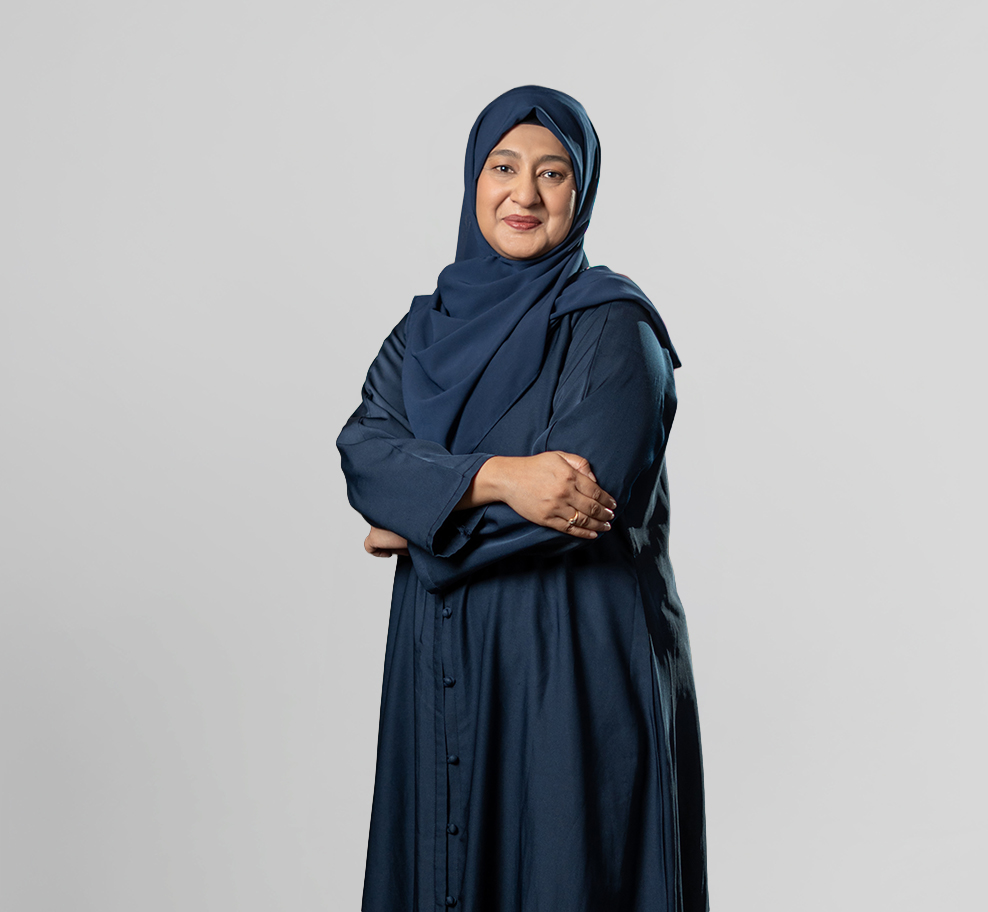
As Head of Operational Risk, I feel fortunate to work for RIDBL – the organization that genuinely values innovation, diversity and collaboration. As a female leader, I have always felt empowered to contribute ideas, take on new challenges, and make a meaningful impact. The culture of RIDBL is inclusive, supportive and open to different perspectives, making it a great place to learn and contribute. What stands out most is the commitment to developing people, encouraging innovation, building a workplace where talent can truly thrive. It is inspiring for me to be part of a team that is shaping the future while investing in its people.
Assistant Manager Talent Acquisition
Being a part of Raqami Islamic Digital Bank since its early days has been an incredibly rewarding journey. Over the past years, I have had the opportunity to witness and contribute to building the organization from the ground up into what it is today, a forward-thinking, digital-first bank with a strong sense of purpose.
Raqami fosters a truly inclusive and empowering culture where every voice is heard, and contributions are genuinely recognized and appreciated. The environment encourages innovation, collaboration, and continuous learning, providing immense growth, exposure, and opportunities to take ownership.
What makes Raqami stand out is not just its vision, but its people-centric approach where employees are valued, supported, and inspired to bring their best selves to work every day. It has been an amazing experience being part of this journey and contributing to shaping the future of digital banking.
Head Cloud & Infrastructure
Joining Raqami Islamic Digital Bank as EVP – Head of Cloud & Infrastructure has been one of the most rewarding professional experiences of my career.
From the outset, the onboarding journey reflected the organization’s commitment to excellence. The support extended by the HR team, Executive Leadership, and Colleagues across the bank was exceptional, ensuring a seamless transition and enabling me to engage meaningfully from day one. The openness, professionalism, and collaborative spirit demonstrated throughout the process reinforced my confidence that I was joining a truly forward-thinking institution.
What stands out even more is that the experience has continued to exceed expectations well beyond onboarding. Raqami has cultivated a culture where innovation, empowerment, accountability, and purpose-driven leadership are deeply embedded in the way the organization operates. There is a genuine commitment to enabling talent, encouraging new ideas, and creating an environment where individuals and teams can perform at their highest potential.
As someone who has led large-scale technology and infrastructure transformations throughout my career, I have been particularly impressed by the bank’s strategic vision, leadership accessibility, and unwavering focus on building a world-class digital banking ecosystem. The level of alignment between business objectives, technology innovation, and people development is both refreshing and inspiring.
Raqami is not only redefining the future of Islamic digital banking but so also setting a benchmark for how organizations can attract, support, and empower exceptional talent. I am proud to be part of this transformative journey and excited to contribute to the bank’s continued growth, innovation, and success.
Head of Shariah Compliance
My journey at Raqami Islamic Digital Bank has been both purposeful and professionally enriching. With a foundation in Islamic banking and Shariah governance, I find Raqami to be a truly forward-looking institution where innovation and compliance are seamlessly integrated.
The leadership at Raqami provides the opportunity to contribute towards building a digitally enabled, Shariah-compliant banking ecosystem that caters to diverse customer segments. The organization’s commitment to Shariah principles, strong governance frameworks, and customer-centric solutions.
What distinguishes Raqami is its inclusive culture—one that encourages innovation, collaboration, and accountability with zero-tolerance in upholding the highest standards of Shariah compliance. It is an environment where ideas are valued, and individuals are empowered to make a meaningful impact.
I take pride in being part of a team that is not only strengthening the Shariah compliance culture but also shaping the future of Islamic digital banking in Pakistan.

Independent Director
Mohammad Aftab Manzoor is a highly accomplished banking executive with over 35 years of experience, including a decade as CEO/President of leading Pakistani banks. He has successfully led major institutional transformations at MCB Bank, Allied Bank, and Soneri Bank, with expertise in strategic leadership, risk management, technology modernization, regulatory relations, corporate banking, and franchise growth. His career also includes extensive board-level experience across financial institutions, corporate bodies, and public-sector organizations.
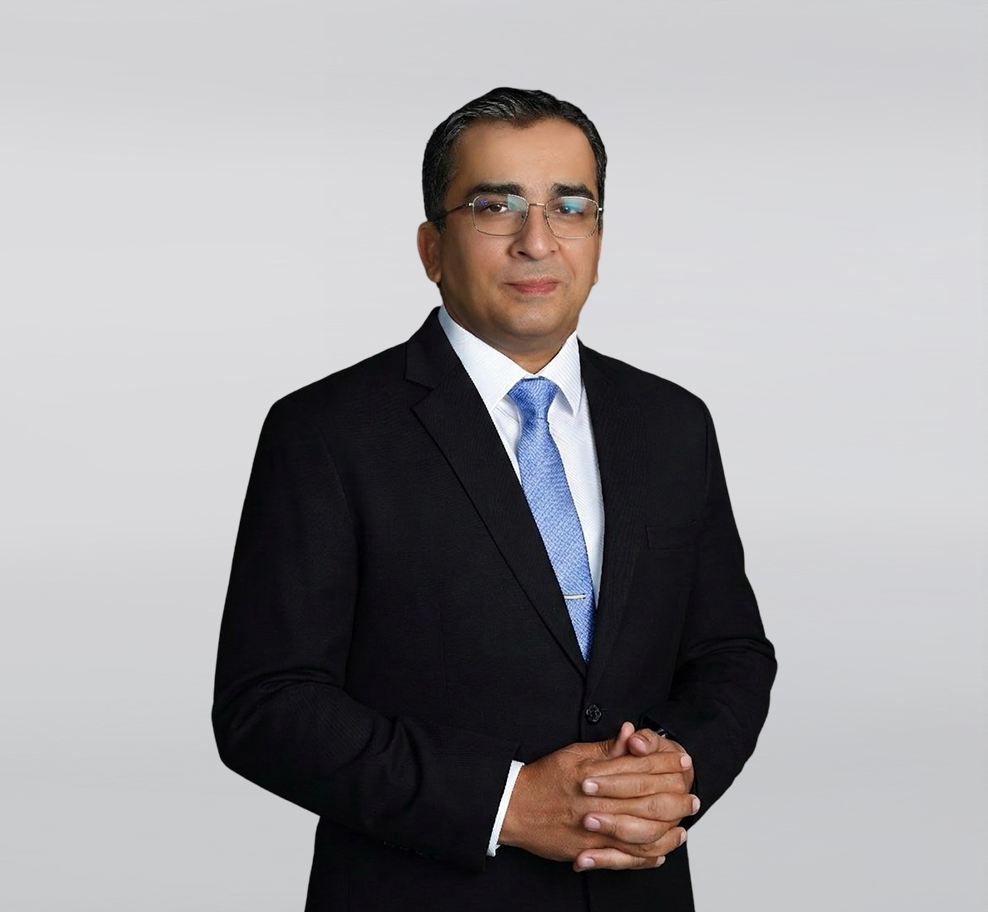
Asim A. Siddiqui is a senior banking executive and risk management specialist with more than two decades of experience in consumer banking, SME and Digital lending. He has built a distinguished career leading risk strategy, credit policy development, and portfolio management across major financial institutions including Bank Alfalah, Habib Bank Limited (HBL), Standard Chartered Bank, and Qatar Commercial Bank. Throughout his career, he has successfully managed large-scale lending portfolios, implemented advanced credit scoring and analytics frameworks, and strengthened risk governance to support sustainable business growth while maintaining strong asset quality. His leadership has been instrumental in launching digital lending programs, developing SME credit frameworks, and driving data-driven risk decision-making in rapidly evolving banking environments. As Chief Risk Officer at Raqami Bank, he is responsible for shaping the bank’s enterprise risk framework, strengthening risk governance, and enabling innovation in digital banking while ensuring prudent risk management and regulatory compliance.

Independent Director
Jehan Ara is a powerhouse in Pakistan’s digital ecosystem, known for championing the youth, innovation and women’s leadership. As Founder & CEO of Katalyst Labs and the former President of P@SHA, she has helped shape the country’s tech landscape through startup acceleration, policy advocacy, and community-building. She created platforms like The Nest I/O and +92Disrupt, empowering young entrepreneurs nationwide, while her board roles—from the PM’s Taskforce for IT & Digital Economy, to global advisory groups and most recently, her appointment to the Board of Governors of IBA—highlight her influence in driving inclusive digital growth and support for Pakistan’s youth. Her decades of impact earned her the Tamgha-e-Imtiaz, recognizing her as a leading voice for entrepreneurial talent and a modern, tech-enabled Pakistan.
Yasser Malik is a strategic leader in the infrastructure space, financial and venture capital sectors, currently serving as Head of Emerging Markets of Enertech Holding Company KSC. He has been instrumental in developing large-scale energy projects across Pakistan and the Middle East. His previous roles at Bank of America Merrill Lynch, JP Morgan, Eplanet Capital and PWC involved driving investments in high-impact ventures. With a BSc in Economics and Statistics from University College London and a Sitara-i-Imtiaz for his contributions to public-private partnerships, Mr. Malik’s role at Raqami Islamic Digital Bank focuses on leveraging digital innovation to drive sustainable growth.
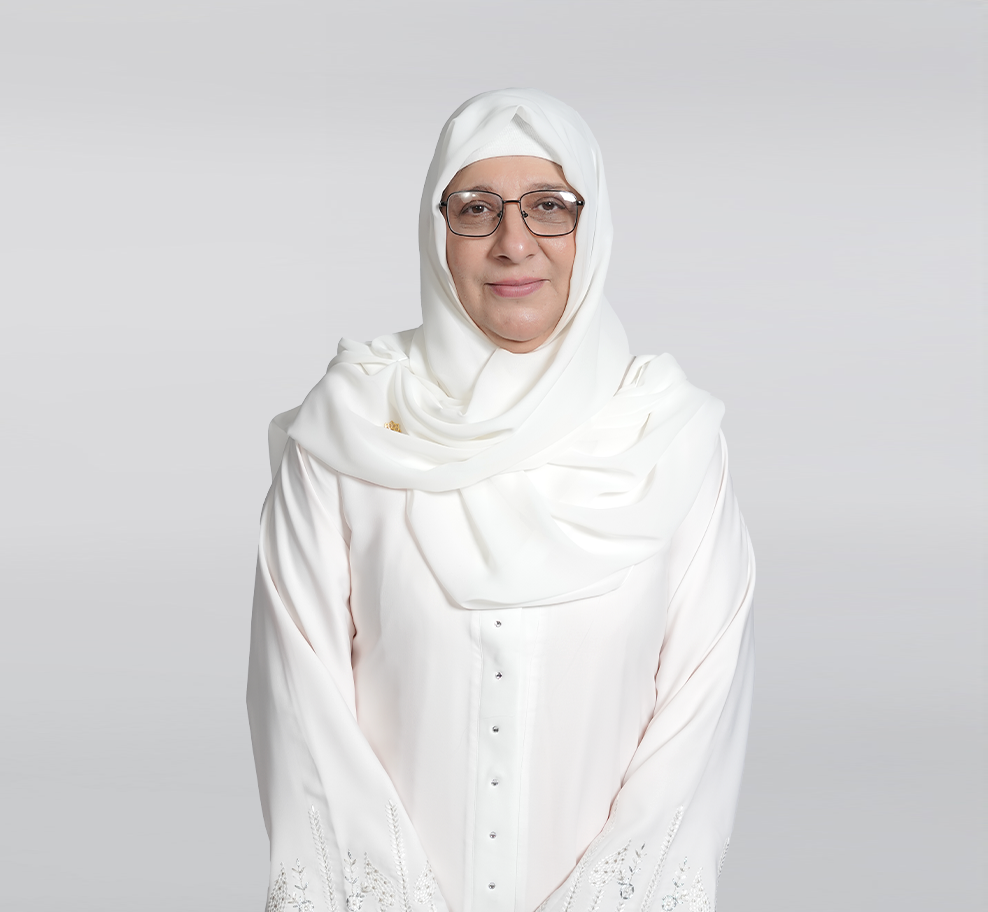
Nilufer Pereira brings over three decades of experience in the banking industry, with a strong background in card operations, digital banking, payments, and branchless banking. She has held senior leadership roles at several of Pakistan’s leading financial institutions, including Bank Alfalah, MCB, Standard Chartered Bank, Union Bank, and American Express.
Her expertise in operational excellence, risk management, and the digital ecosystem has consistently delivered strong, measurable results.
She holds a Bachelor’s degree in Commerce and a Diploma in Computer Science. She has also completed multiple international and local trainings, including AMEX, Visa, and MasterCard chargeback and fraud programs, as well as leadership and operational risk management courses.
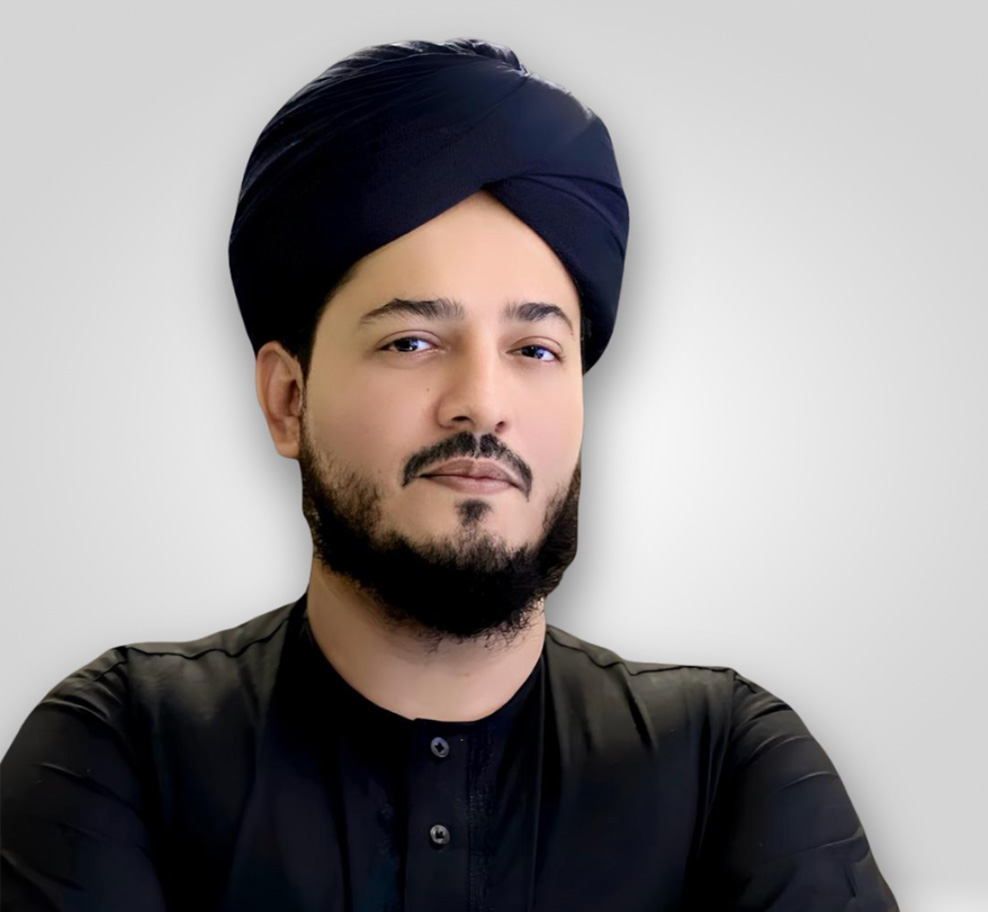
Mufti Muhammad Muaz Ashraf specializes in Islamic banking, jurisprudence, and Halal certification. He is a Certified Shari’ah Advisor & Auditor and has held roles in Shariah advisory and Halal assurance at institutions like Meezan Bank and NIBAF. His contributions extend to developing Shariah-compliant solutions and ensuring Halal integrity across various sectors.
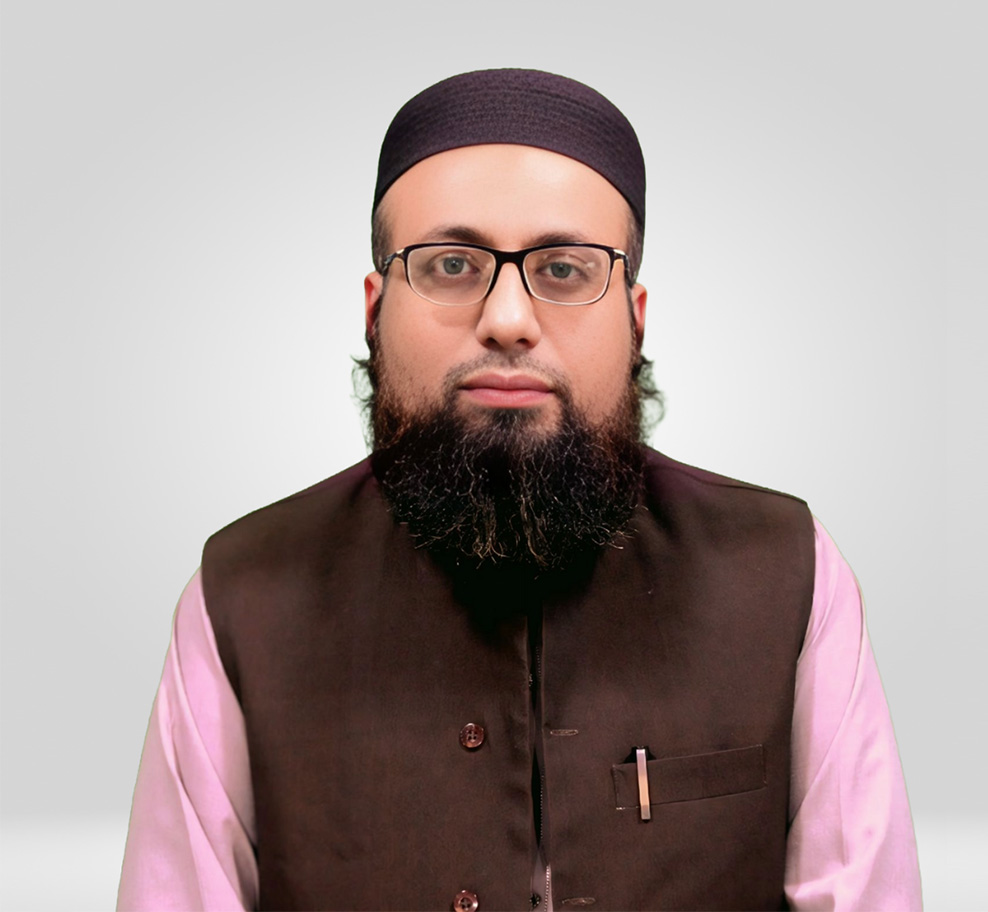
Mufti Azfer Iqbal is recognized for his expertise in Islamic finance and Shariah compliance. He has served as a Shariah advisor and compliance manager at various institutions, currently overseeing Shariah compliance at Burque Corporation. Mufti Azfer also engages in teaching and research, contributing as a faculty member and Shariah trainer in multiple educational institutions.
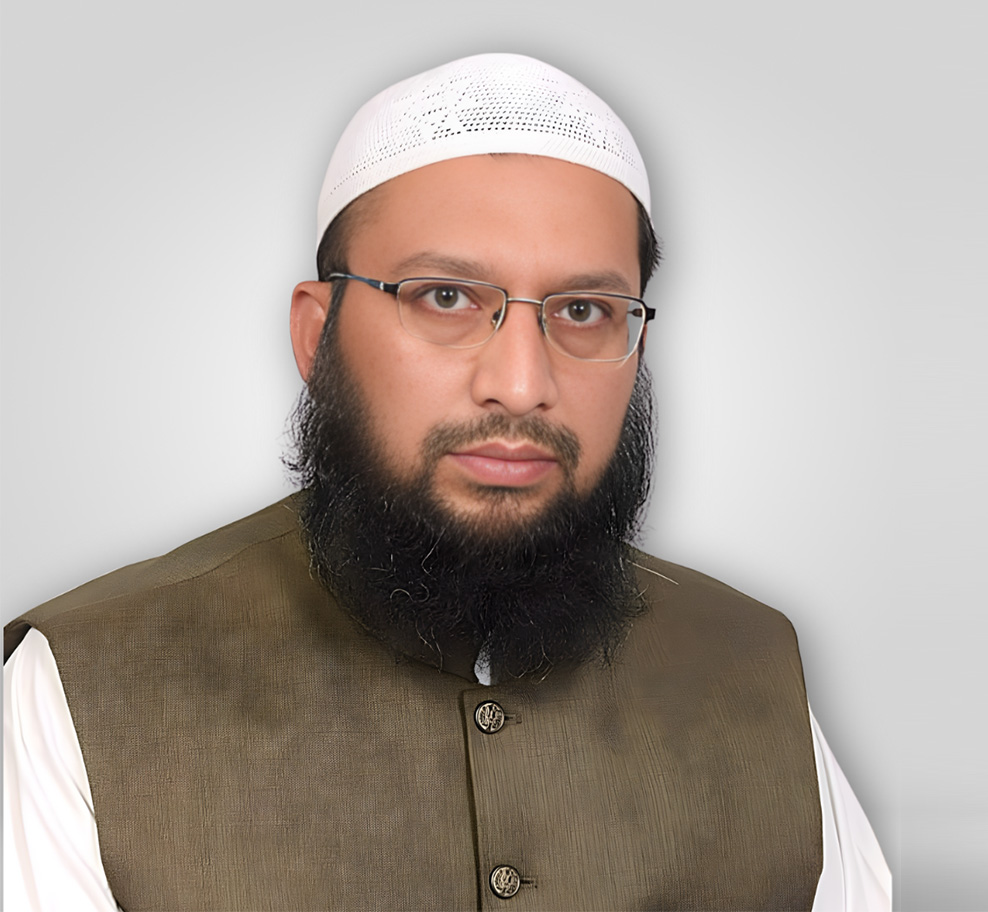
Muhammad Ashja Khan is a seasoned Shariah scholar with over nine years of experience in Islamic banking and Shariah audit. He has completed specialized religious studies and is a certified Shariah Advisor registered with the SECP. His professional journey includes roles at Faysal Bank and EY Ford Rhodes, focusing on Shariah compliance and advisory services.
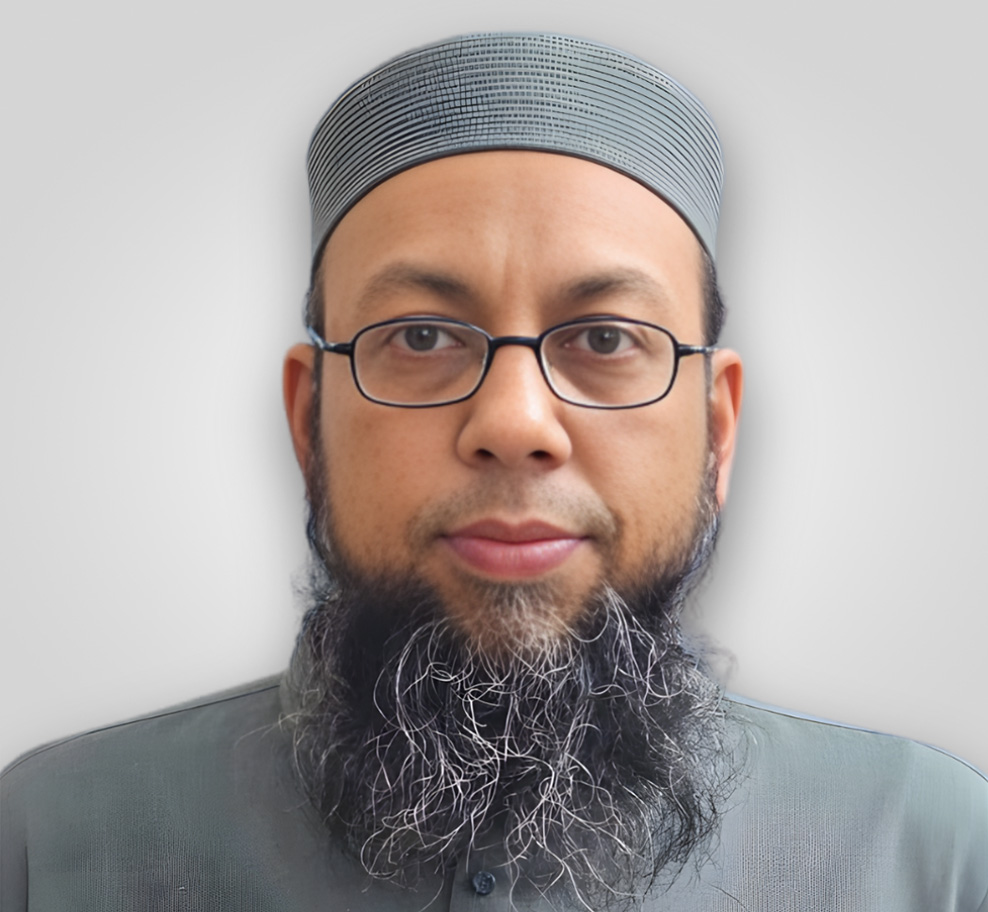
Mufti Hassaan Kaleem brings 24 years of experience in Shariah advisory. He holds significant roles as Vice Chairman of the Shariah Board at Dubai Islamic Bank Pakistan and as a member of several Shariah boards, including the Islamic Development Bank. He is actively involved in Shariah consultancy, teaching, and training at institutions like IBA and NIBAF, contributing to the advancement of Islamic finance globally.
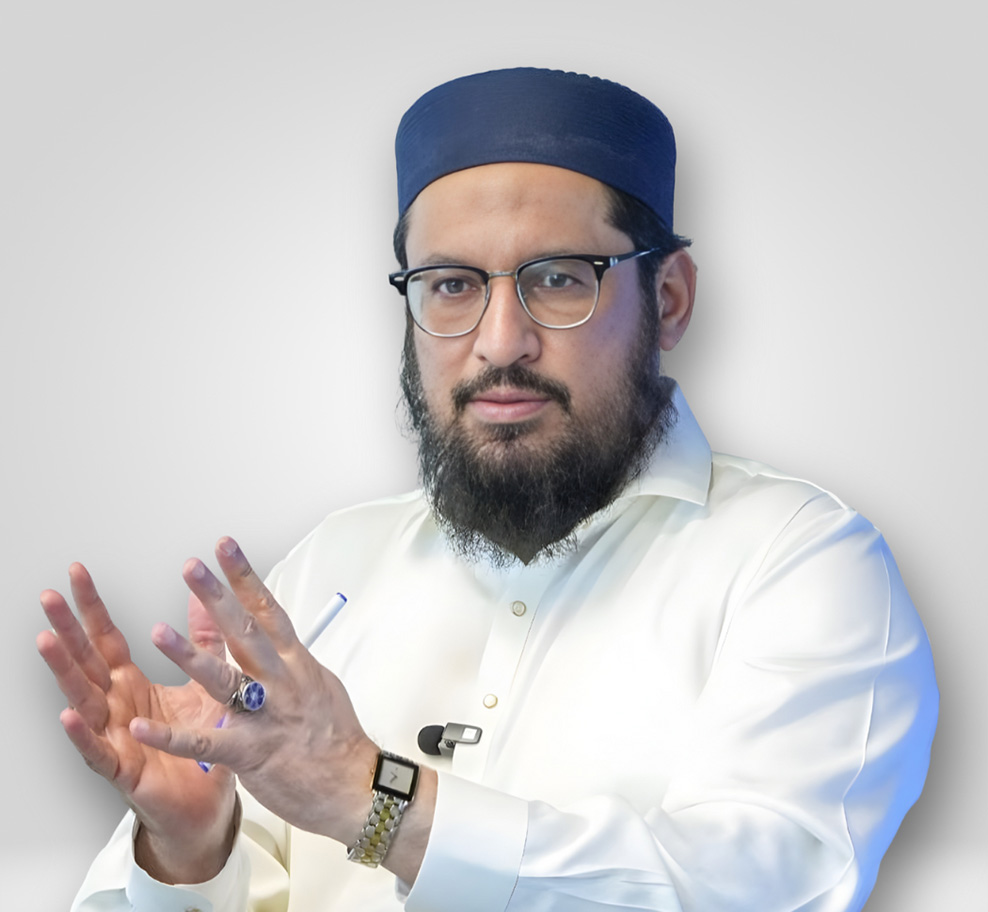
Sheikh Dr. Mufti Muhammad Imran Ashraf Usmani is a leading Islamic scholar with over three decades of experience. He specializes in Islamic Fiqh and holds a Ph.D. in Islamic Finance. Dr. Usmani serves as Vice Chairman of the Shariah Supervisory Board at Meezan Bank and advises several global financial institutions on Shariah compliance and Islamic finance. He also plays a key role in developing Islamic banking products and ensuring Shariah compliance.
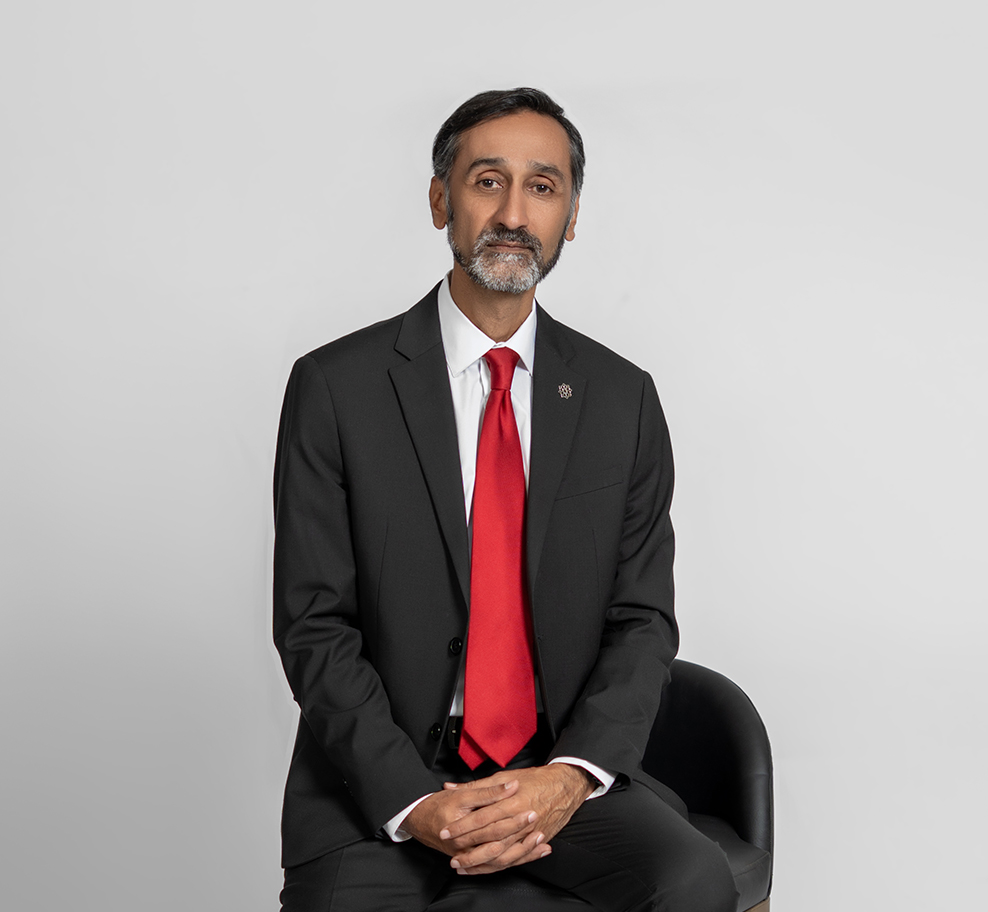
Babar Ahmad has 30+ years of experience in various national and international companies. Ranging from Jazz and Warid locally to T-Mobile and Ajilon in the US. He has held many senior level positions, including being the CEO of three startups. He is a dynamic leader with proven track record in both developed and emerging markets, and now leads the Marketing and Communications department at Raqami Islamic Digital Bank.
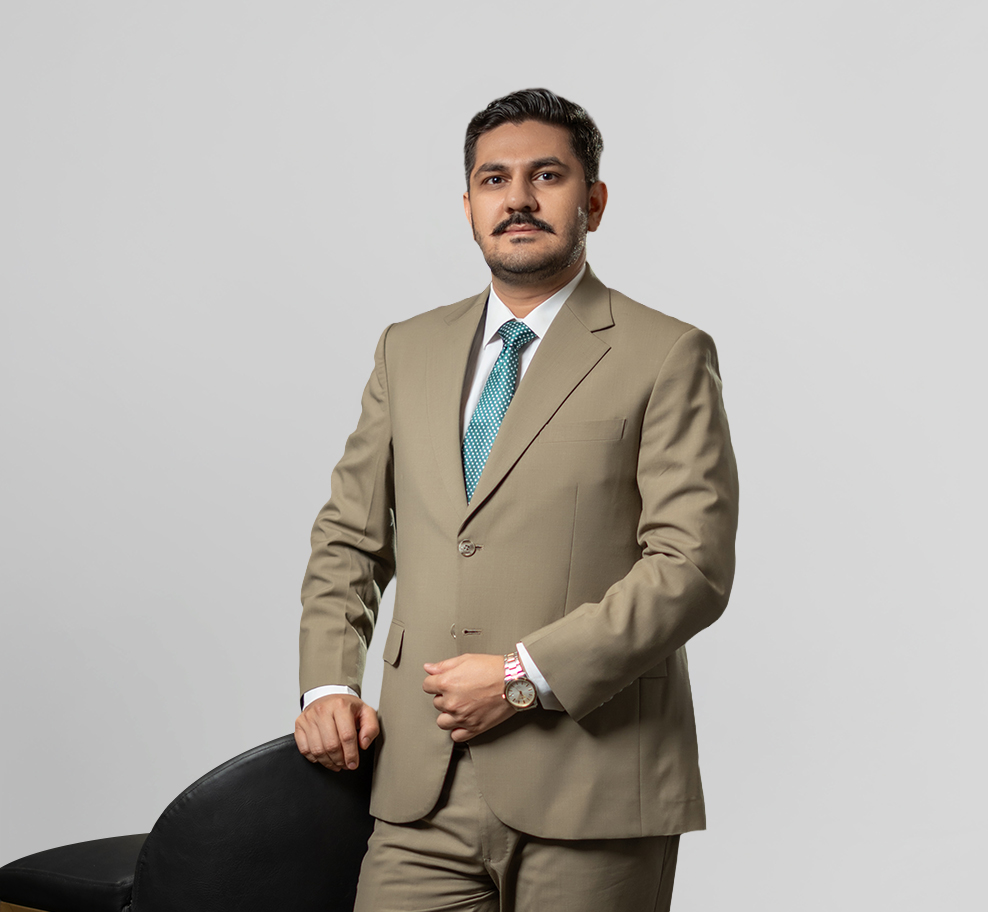
Muhammad Abeer Khan has extensive experience in leading data science teams to enhance business performance through predictive analytics and machine learning. He previously held roles at 10 Pearls, Afiniti, and Daraz, and currently drives data-driven strategies at Raqami Islamic Digital Bank, focusing on long-term innovation and strategic advantage
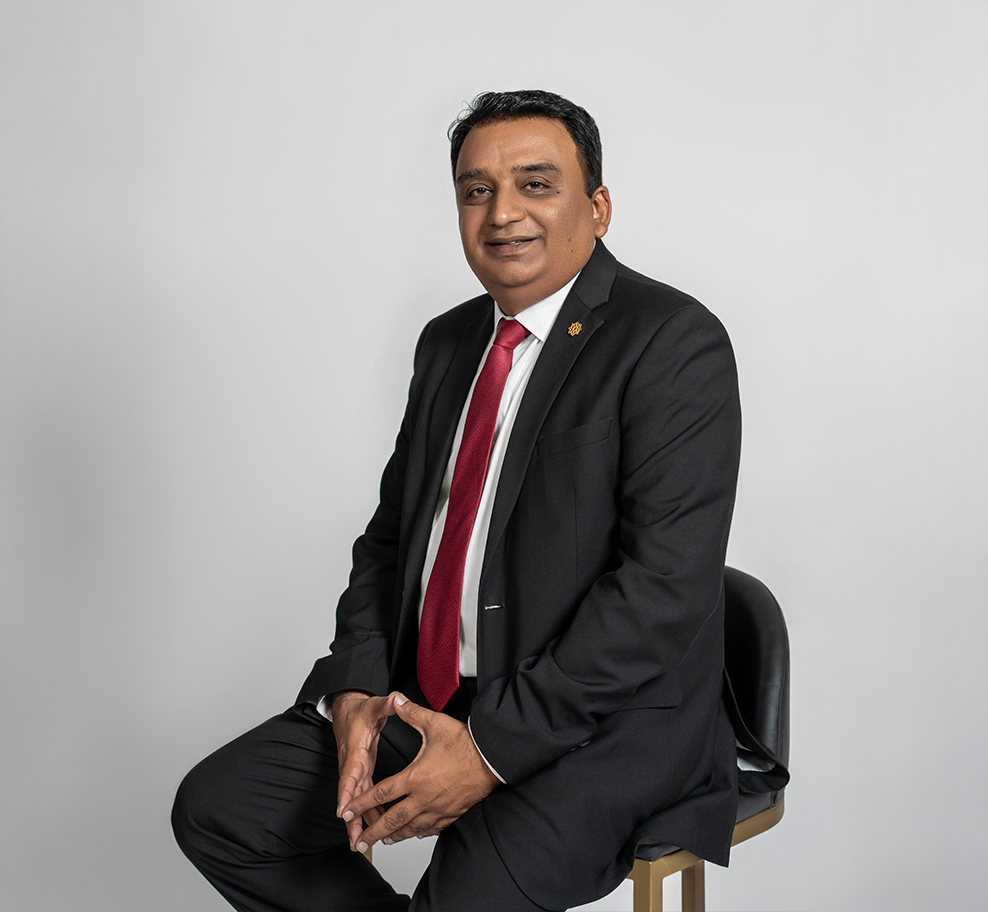
Naresh Karia is a Chartered Accountant with over 20 years of experience in compliance, risk management, and governance. He has held senior roles at Bank Alfalah and Planet N Group and currently ensures regulatory compliance and operational integrity at Raqami Islamic Digital Bank.
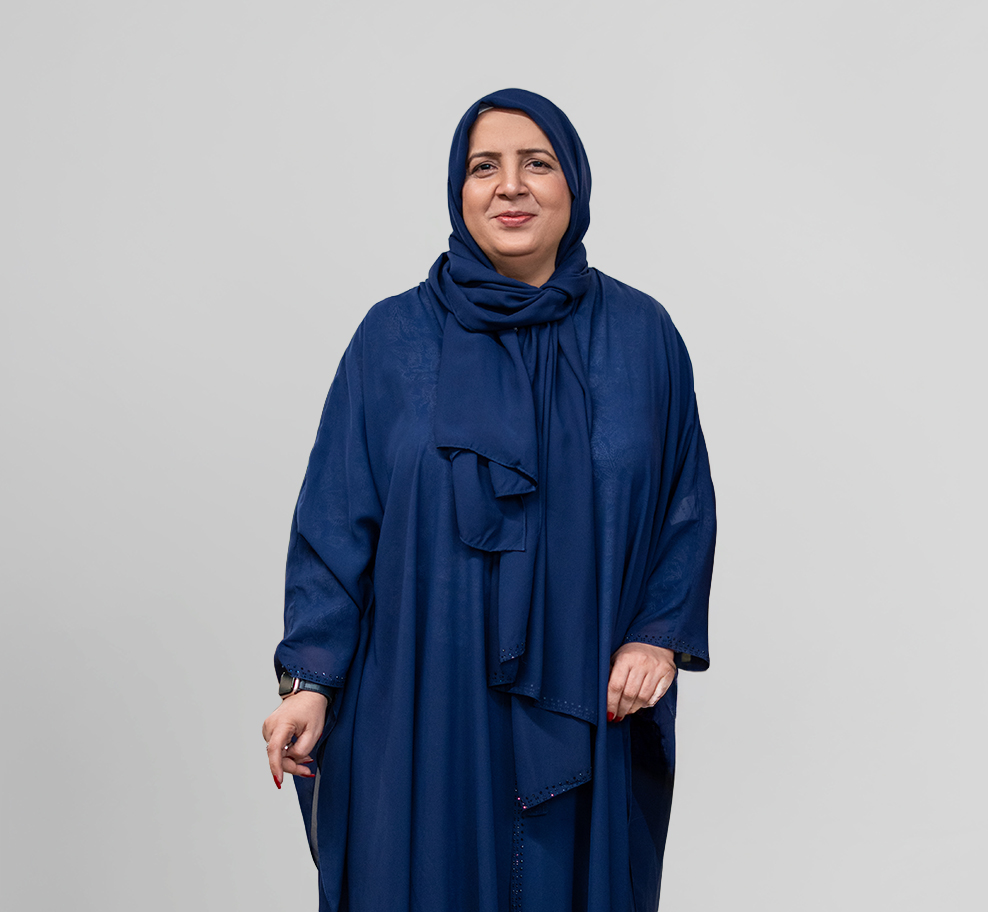
Samina Malik is an HR professional with over 20 years of experience in change management, performance management, and HR operations. She has held senior positions at Etihad Airways and Dawood Group and now leads HR strategy at Raqami Islamic Digital Bank, fostering effective HR practices and organizational development.
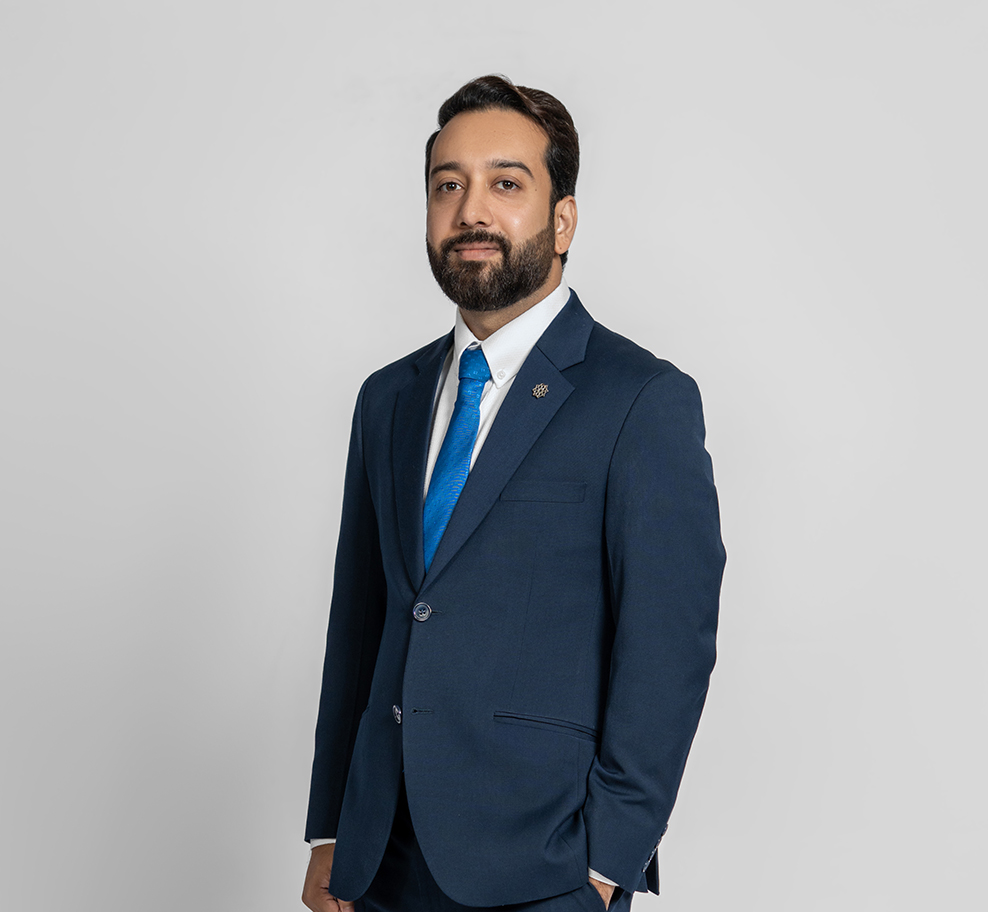
With over a decade of experience across leading Islamic financial institutions, Nasir Razak brings a unique blend of Shariah expertise, innovation, and strategic leadership to Raqami Islamic Digital Bank. He has played a central role in developing governance frameworks and shaping customer-focused, Shariah-compliant solutions that have served Investment Banking, Corporate, SME, Consumer and Retail clients.
Nasir’s passion lies in bridging the gap between traditional Islamic banking and the rapidly evolving digital financial ecosystem. Under his leadership, the bank continues to strengthen its Shariah compliance culture while fostering innovation and productivity. He is widely regarded for his forward-thinking approach, ethical leadership, and contribution to the advancement of modern Islamic finance in Pakistan
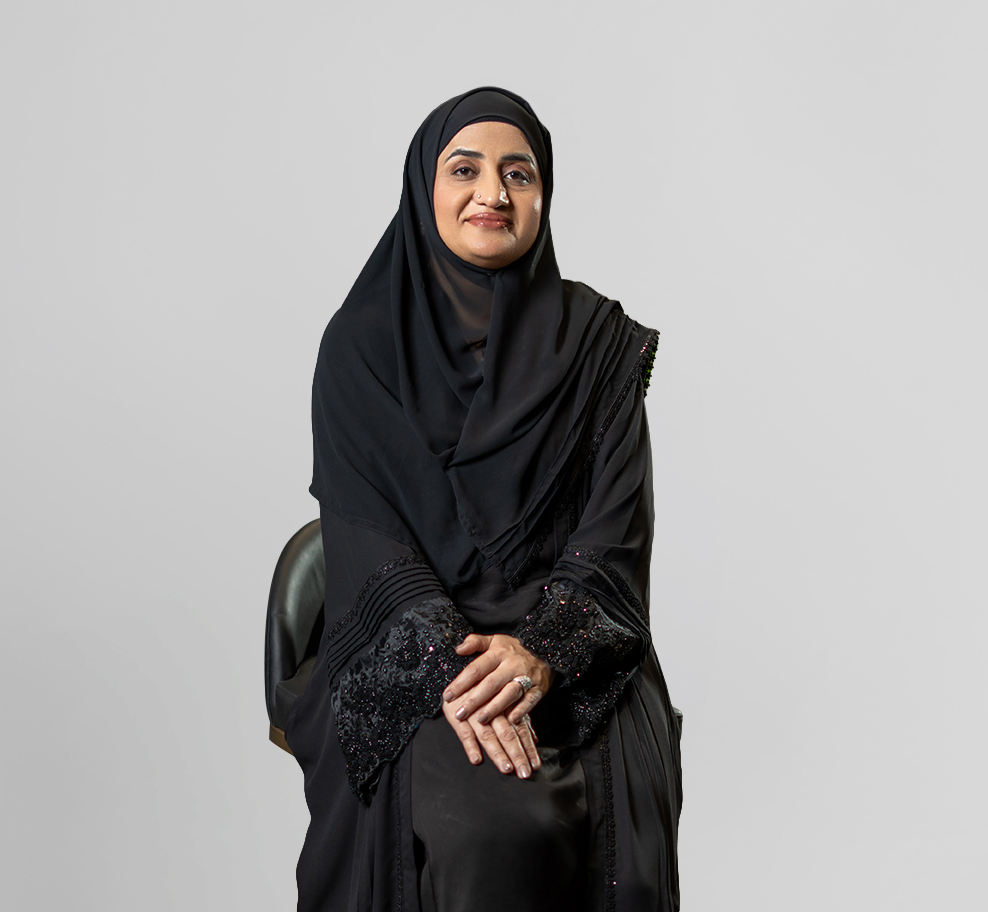
Rukhsana Narejo, CFA, is a senior investment and treasury professional with over 25 years of leadership across commercial banking, asset management, development finance, and digital banking. Currently Chief of Treasury & Alternate Investments at Raqami Islamic Digital Bank, Pakistan’s first Shariah-compliant digital retail bank, she is spearheading the design of a modern treasury architecture rooted in innovation, financial inclusion, and Islamic principles. Rukhsana has held pivotal roles at institutions like Sindh Bank, Asian Development Bank, and NBP Fund Management, where she led multi-billion-rupee portfolios, launched the country’s largest fixed-income fund, and built strategic frameworks for pension fund management. A respected thought leader and board member, she is a vocal advocate for gender diversity, ESG practices, and sustainable finance, with a proven track record of shaping Pakistan’s financial landscape through policy, innovation, and purpose-driven leadership.
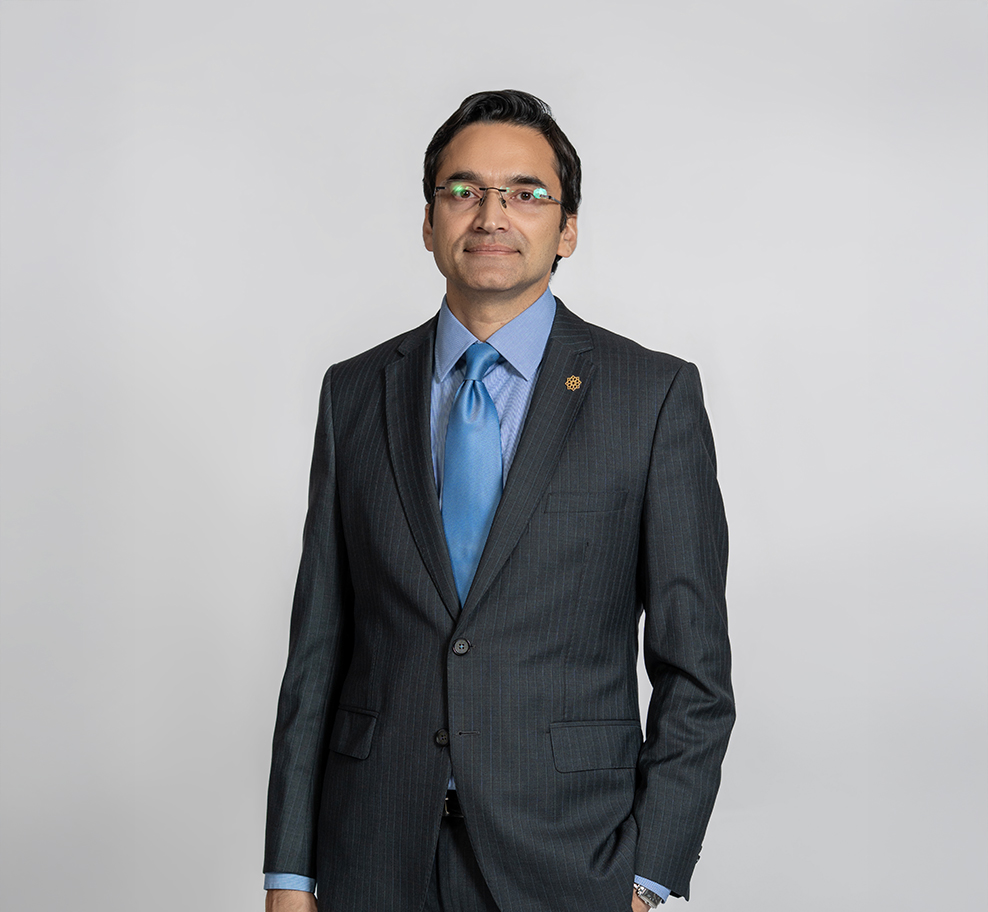
Fahad Asad Khan is a Chartered Accountant with 20 years of experience in Strategic Finance, entity setups, M&A, Banking and Islamic Finance in Pakistan and Europe (Ireland). He has held leadership roles with large banks & F.I. (including Bank Alfalah, BankIslami, Statestreet, Pakistan Microfinance Investment Company) and other large entities. He completed his training with A F Ferguson (PwC) Karachi Office and has also served with KPMG in Ireland.
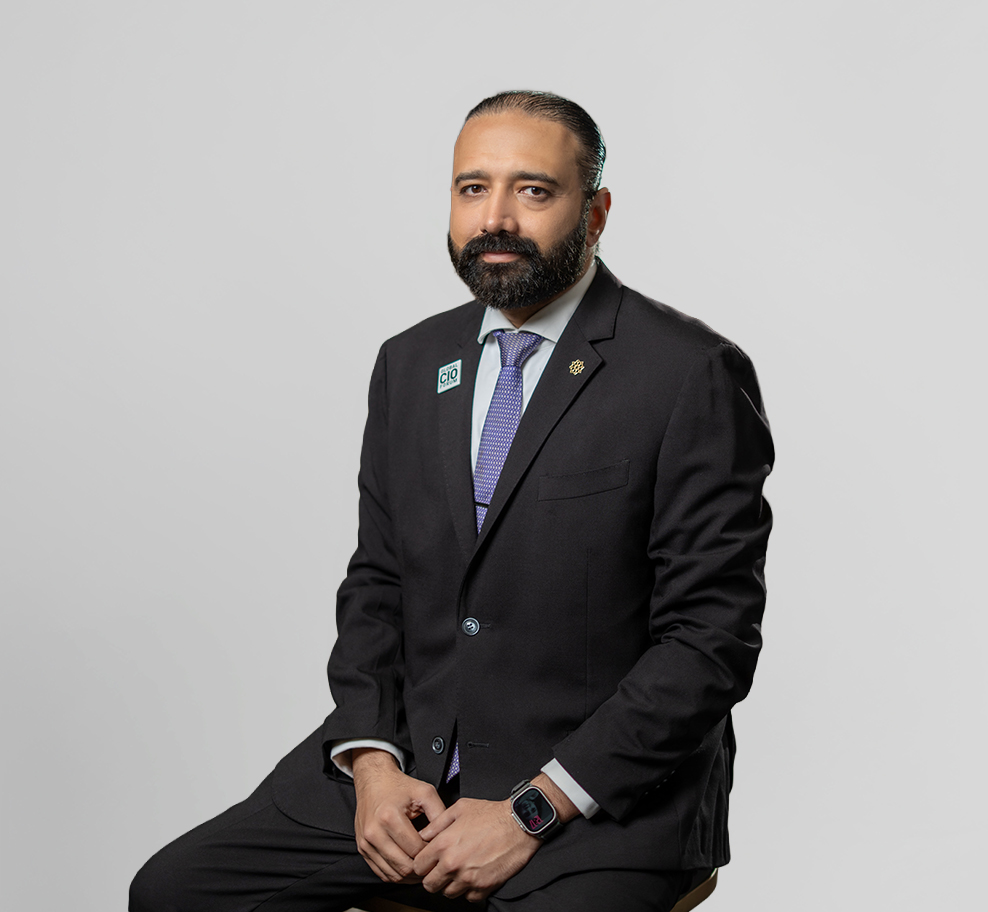
Syed Mohammad Ali Naqvi has 22 years of experience in spearheading Digital, Technology Led Transformations for Banks, Oil & Gas, Telecoms and other large conglomerates across Middle East & Africa. Extensive experience in Digital Strategy, Data Strategy, Artificial Intelligence, Data & Analytics, Risk Management Solutions, Fraud Management Solutions, Anti Money laundering Solutions, Banking Channel & Platform Management, Technology Architecture, Application Management, ERP Implementations, Business Analysis, Program Management, Delivery Management, Change Management, & Software Development.
Mr. Tamim Shabbir is a seasoned finance professional with over 25 years of experience in the banking and financial services sector. He currently serves as the Chief Financial Officer and Senior Executive Vice President at Pakistan Kuwait Investment Company (Private) Limited (PKIC). His expertise spans financial management, budgeting, regulatory reporting, taxation, and corporate governance. His career has been defined by a strong focus on strategic financial planning, corporate governance and regulatory reporting. Mr. Shabbir is known for his ability to work closely with business units, enhancing profitability and aligning financial operations with corporate objectives. He also has audit experience with Ernst & Young (UK) and A.F. Ferguson & Co.
Mr. Shabbir has held senior positions at major institutions including Al Baraka Bank, Meezan Bank, and Faysal Bank, and brings deep insight into both domestic and international financial operations. He is a member of several key committees, including the Management Committee, Asset and Liability Committee, and Compliance Committee, contributing to strategic decision-making and financial oversight.
Atif Azim is a technology entrepreneur and investor with over 20 years of experience across Silicon Valley, the UAE, and Pakistan. He is the CEO of VentureDive and a founding board member of DotZero, Pakistan’s first tech incubator. Mr. Azim’s career highlights include founding Perfigo, a startup acquired by Cisco, where he later served as Vice President of Solutions. He holds a Master’s in Computer Science from Stanford University and a Bachelor’s from Imperial College London. At Raqami Islamic Digital Bank, he is the Chairman of the Board IT Committee and is a key driver of the bank’s digital innovation strategy.
Shahid Sattar is a highly experienced banking executive with a career spanning over 40 years. He served as President & CEO of Samba Bank, where he led a successful turnaround by driving profitability and digital transformation. Mr. Sattar has held senior roles at UBL, NIB Bank, and MCB Bank, where he contributed to operational efficiency and business diversification. With an MBA from the University of Punjab and extensive experience across Pakistan and the Middle East, his focus at Raqami Islamic Digital Bank is on compliance, governance, and fostering innovation. He is currently serving as the Chairman of the Board Audit Committee at Raqami.
Atif Anwer is an accomplished financial executive with extensive expertise in treasury operations, risk management, and financial planning. He has held key roles at Pak Kuwait Investment Company as Head of Treasury and at My Bank Ltd. as Vice President. His academic credentials include an MBA in Finance, complemented by specialized training in treasury and risk management. At Raqami Islamic Digital Bank, Mr. Anwer’s insights into liquidity management and adherence to Islamic principles are pivotal in shaping the bank’s financial strategy and ensuring compliance.
Muhammad Farooq Nasim has over 25 years of experience in corporate and commercial banking, currently serving as Chief Risk Officer at Pakistan Kuwait Investment Company. He has managed key portfolios at institutions like Habib Bank Limited, overseeing corporate middle-market operations and cash management. Mr. Nasim holds an MBA from Punjab University and has a strong track record in managing debt and equity transactions. His appointment as a director at Raqami Islamic Digital Bank is set to enhance the bank’s growth initiatives and governance structures.
Naeem Abdul Sattar is a finance and governance specialist with over two decades of experience. As SEVP and Company Secretary at Pakistan Kuwait Investment Company, he has played a crucial role in strategic planning and compliance. His involvement in the incorporation of Raqami Islamic Digital Bank and his oversight of corporate governance are key to the bank’s operational success. A Fellow of the Institute of Cost and Management Accountants of Pakistan, Mr. Sattar also serves on the boards of several companies, contributing his expertise in finance and regulatory matters.
Ariful Islam, a seasoned banking professional, brings a wealth of experience from his leadership roles at Meezan Bank Limited, where he served as Deputy CEO and Chief Operating Officer. Under his guidance, Meezan Bank became one of the fastest-growing banks in Pakistan. Prior to Meezan, he held senior positions at Faysal Bank and Muslim Commercial Bank, where he was instrumental in driving profitability and expanding operations. A Fellow Chartered Accountant and ACA, Mr. Islam also serves on several boards, including Honda Atlas Cars Limited, contributing his deep expertise in banking and corporate governance to Raqami Islamic Digital Bank.
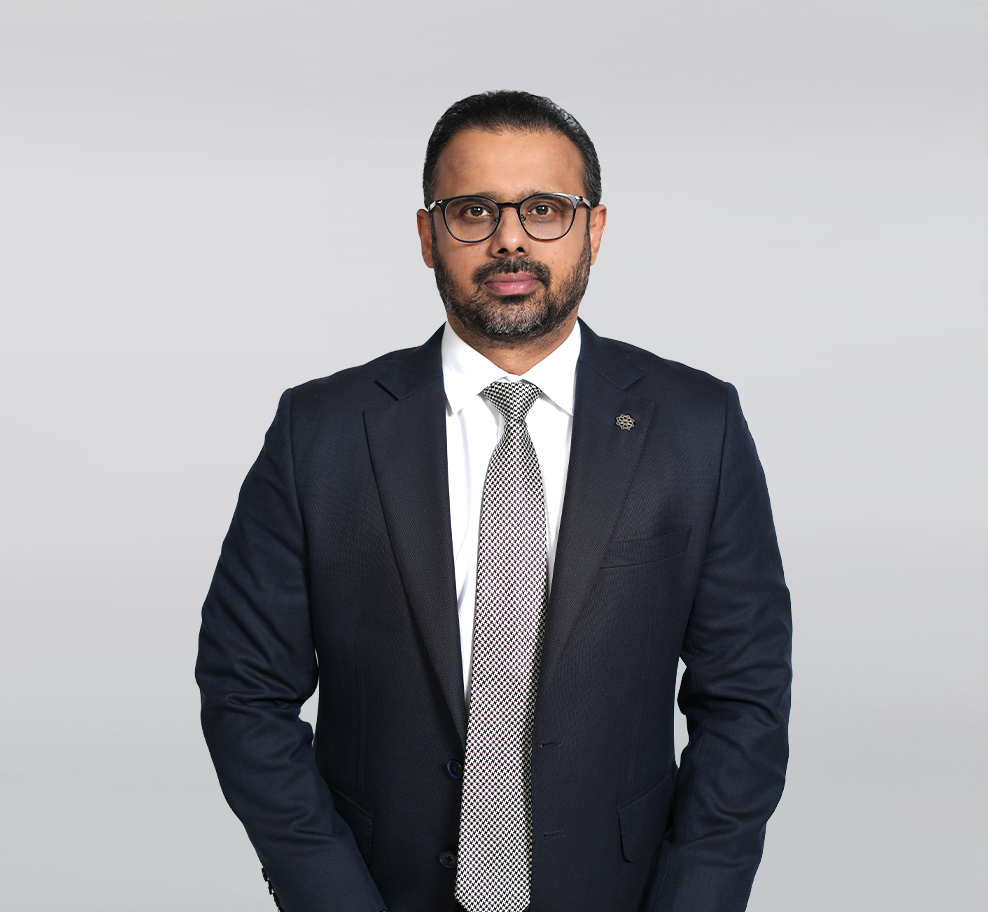
Umair Aijaz, the CEO of Raqami Islamic Digital Bank, is a seasoned financial professional with a background in investment banking and digital transformation. He previously led corporate and investment banking at Pakistan Kuwait Investment Company, where he managed a diverse portfolio and spearheaded key financial initiatives. A Chartered Accountant and Fellow of ACCA, Mr. Aijaz is known for his strategic acumen and ability to drive impactful financial growth. His leadership is pivotal in steering Raqami Islamic Digital Bank towards both financial success and social impact
H.E. Abdullah Al-Mutairi – Sitara-e-Pakistan is the CEO of EnerTech Holding Company, where he leads investments across the oil, gas, water, and clean technology sectors. He has extensive experience in venture capital and private equity, having previously served as an investment manager at NTEC and as an analyst at Kuwait Investment Authority. Mr. Al-Mutairi also serves as Vice Chairman of the Executive Committee and is a founding member of the Kuwait Green Building Council. With an academic background that includes a Master’s in Business Administration from Kuwait University and a Bachelor’s in Civil Engineering from California State University, Long Beach, his strategic vision is vital to the success of Raqami Islamic Digital Bank, where he serves as Chairman.

"*" indicates required fields